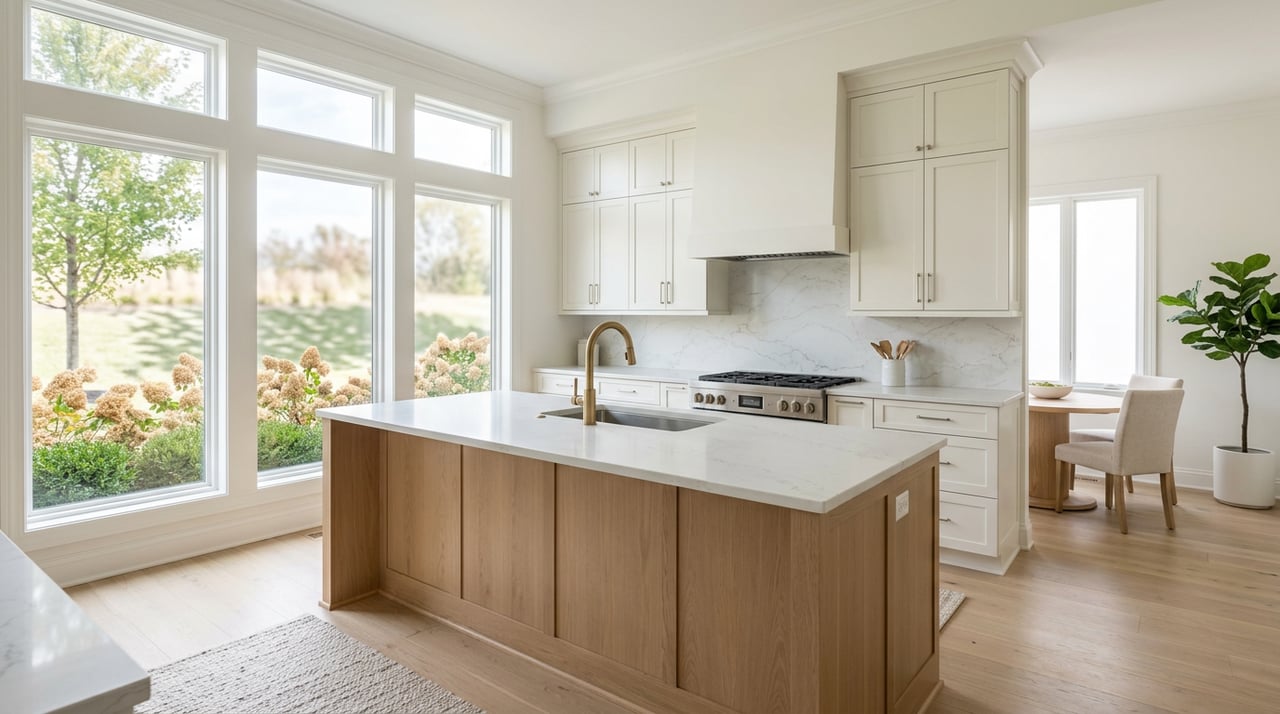
You want the clean lines, modern systems, and calm of a brand‑new home. In Chatham, that can pair with strong commuter access and a reputation for quality schools, which is why many buyers put new construction at the top of their list. Still, new builds come with a different process than resales, from builder contracts to inspections and warranties. This guide gives you the local steps, questions to ask, and a practical checklist so you can buy with confidence. Let’s dive in.
Why buy new in Chatham
New construction offers efficient systems, fresh finishes, and fewer near‑term repairs. In Chatham, those benefits meet strong resale drivers: NJ Transit access to NYC, local town amenities, and district reputation. Commuters value the M&E line and station access, which area studies note as an anchor for demand and improvements along the corridor. You can review regional commuter context in the county’s NJ 124 Corridor Transit Access study.
Public‑school performance data and district profiles are also a major part of buyer due diligence that can influence resale. Review neutral, third‑party summaries on the School District of the Chathams profiles to understand program offerings and context. Use neutral, independent sources and confirm details directly with the district.
Finally, model carrying costs early. Property taxes in Chatham Borough and Chatham Township are above many national averages; the state’s 2024 report provides useful municipal averages. See the NJ Division of Taxation Average Residential Tax Report, then call the local assessor for parcel‑level estimates on a specific new build.
How new builds differ from resales
Buying new construction is more than a standard offer and inspection. You will likely sign a builder contract, agree to allowances and finish selections, and follow a staged timeline to closing. Municipal inspectors enforce code, but you should still hire your own inspector. Most builders provide a written warranty, often with structural coverage from a third party. Financing can differ too, especially if a construction or single‑close loan is needed.
Builder contracts and selections
Builder agreements are not one‑size‑fits‑all. Before you sign, have a real‑estate attorney review:
- Deposit amounts, schedule, and refund rules.
- Allowances for cabinets, lighting, and flooring, plus how overages are priced.
- Deadlines for selections and how change orders are approved in writing.
- Start and completion dates, what counts as “substantial completion,” and any delay remedies.
For a plain‑language overview of typical builder processes and change orders, see this consumer‑oriented new construction process guide. Treat it as background, then put everything you negotiate in writing.
Financing options to compare
If you are purchasing a completed spec home, a standard mortgage can work. If the home is being built for you, your lender may require a construction‑to‑permanent loan that converts to a fixed mortgage at completion. Program rules vary, and disclosures can differ from typical purchase loans. You can review FHA’s outline of single‑close options in this construction‑to‑permanent guidance. Talk to a local lender who regularly closes new‑construction loans in Morris County so you understand appraisals, draw schedules, and rate‑lock timing.
Inspections you still need
Municipal inspections focus on building‑code compliance, not on advocating for your interests. New Jersey enforces the Uniform Construction Code, which sets what the town will inspect during construction and before occupancy. Learn more on the NJ DCA Uniform Construction Code page.
For your own protection, plan two independent inspections:
- Pre‑drywall inspection. This review checks framing, rough plumbing, wiring, insulation, and flashing while walls are open.
- Final inspection and orientation. This confirms systems work as intended and documents your punch list before closing.
InterNACHI explains how phase inspections work and what a typical scope includes. Review their new‑construction phase inspection guidance to prepare your plan and hire an inspector who regularly handles new builds.
Permits, CO and TCO in Chatham
Chatham Township’s Construction Department enforces permits and inspections locally, including footing, framing, rough‑in, and final sign‑offs. Before you commit to a timeline, confirm which office is handling your project and how inspections are scheduled. Start at the Chatham Township Construction Department page.
You cannot occupy the home until the municipality issues a Certificate of Occupancy. In some cases, a Temporary Certificate of Occupancy may allow move‑in if only minor site work remains and no hazards are present. Review local rules in the Borough’s code section on Certificates of Occupancy, and make sure your contract states whether closing requires a CO or if a TCO is acceptable. If a TCO is used, confirm any escrows, deadlines, and liability for incomplete items.
Warranties and documentation
Most new homes come with a written builder warranty. Many follow a “1‑2‑10” structure: one year for workmanship, two years for systems, and up to ten years for qualifying structural defects when the coverage is insurance‑backed. Ask whether your warranty is administered by a third party, and get the full manual before closing. The 2‑10 Home Buyers Warranty FAQs outline common coverage terms and claims procedures.
At closing, gather and store:
- Full warranty booklet and claim instructions.
- Manufacturer warranties and product registrations.
- Certificate of Occupancy and all municipal sign‑offs.
- As‑built plans and manuals for systems and appliances.
- A list of subcontractors and suppliers, which is useful if lien questions arise.
Set a calendar reminder for an 11‑month inspection so you can submit warranty items within the first‑year window.
Protecting title and handling liens
Construction involves many subcontractors and suppliers. New Jersey’s Construction Lien Law gives them a process to record claims if they are not paid. Your goal is clean title at closing. Ask your attorney and title company to require lien waivers from the builder and trades as funds are released, and verify a final lien search before you wire closing cash. For a plain‑English overview, read this summary of New Jersey’s Construction Lien Law and discuss specifics with your counsel and title officer.
Taxes, HOA and utilities
Carrying cost planning is key. Use the state’s 2024 municipal tax averages as a baseline, then contact the Chatham assessor to estimate your parcel’s post‑construction assessment. If the home is in an HOA, request CC&Rs, budget, and any one‑time capital contributions so you understand rules and fees upfront. For utilities, confirm water, sewer or septic, and any connection or impact fees with the municipal engineering or DPW office.
Design choices that help resale
You want a home that lives well now and resells smoothly later. In Chatham, buyers often value:
- Floor plans with useful storage and flexible spaces.
- Neutral, high‑quality finishes that appeal to a broad audience.
- Lot orientation, backyard privacy, and natural light.
- Practical upgrades in kitchens and baths rather than hyper‑custom features.
Location and livability often matter more than extreme finish levels. Proximity to downtown amenities and the train station can carry a premium. Build to the neighborhood, not just to a budget line.
A step‑by‑step local checklist
Use this to organize your purchase from offer to close.
- Before you sign
- Vet the builder. Ask for nearby projects, references, proof of insurance, and license or registration as applicable under New Jersey rules.
- Review the contract with an attorney. Focus on deposits, refunds, allowances, change‑order pricing, delay remedies, and dispute resolution.
- Confirm inspections and access. Require pre‑drywall and final inspections by your own licensed inspector. Share your schedule expectations with the builder.
- Address lien protection. Require lien‑waiver procedures and confirm your title company will verify clean title at funding.
- While under contract
- Lock your financing path. If a construction‑to‑permanent loan is needed, confirm draw schedules, appraisal timing, and rate‑lock strategy. Use FHA’s single‑close overview as background and then discuss options with your lender.
- Track change orders. Only approve written changes that list cost and timeline impact. Keep a running log and paid receipts.
- Monitor permits and sign‑offs. Confirm required inspections with the Chatham Township Construction Department and keep copies of posted permits and approvals.
- Pre‑closing and orientation
- Schedule your independent final inspection plus the builder walkthrough. Use InterNACHI’s phase inspection guidance to shape your checklist.
- Create a punch list. Document items in writing on the builder’s form and photograph each issue with dates.
- Confirm occupancy. Ensure the municipality will issue a CO by closing, or if a TCO is planned, set clear escrow terms and deadlines. Review the Borough CO code if your property is in the Borough.
- After closing
- Store every document. Keep warranties, plans, manuals, lien waivers, and inspection reports in a digital file.
- Calendar your 11‑month check. Submit first‑year warranty claims early. The 2‑10 FAQs show typical reporting steps.
- Track taxes and exemptions. Revisit your assessment once the home is fully valued and keep copies of tax correspondence. The NJ tax report is a helpful reference for averages.
Local rules and buyer protections to note
- Code enforcement in New Jersey runs through the Uniform Construction Code. Municipal inspections protect safety standards, but they do not replace your own inspector’s oversight. See the NJ DCA UCC overview for context.
- New‑construction sales still involve disclosures and consumer protections under New Jersey law. Forms evolve, and recent legislation updated seller disclosure practices and flood‑risk addenda statewide. For a current example of form language and references to P.L.2024, c.32, review the NJ REALTORS Seller’s Property Condition Disclosure material and consult your attorney for exact requirements in your transaction.
The bottom line
A new home in Chatham can be a smart, low‑maintenance choice in a high‑demand suburban market. To protect your investment, focus on the contract, financing fit, independent inspections, warranty clarity, lien protections, and accurate tax modeling. Pay close attention to location, commuter access, and practical design so your home lives well now and resells with ease later.
If you want a calm, design‑savvy advocate to help you evaluate builders, floor plans, and resale potential street by street, connect with Shannon Xavier to Schedule Your Concierge Consultation.
FAQs
What makes Chatham new construction appealing for resale?
- Commuter access, district reputation, and town amenities support demand, while efficient systems and fresh finishes attract buyers when you choose neutral, broadly appealing designs.
Do I still need a home inspection on a brand‑new house?
- Yes. Municipal inspections enforce code, not buyer advocacy. Schedule a pre‑drywall inspection and a final inspection; see InterNACHI’s phase guidance for scope and timing.
How does a construction‑to‑permanent loan work in New Jersey?
- Funds are drawn during construction, then convert to a standard mortgage at completion; review FHA’s single‑close overview and confirm specifics with a local lender.
What is a Certificate of Occupancy and why does it matter?
- A CO is the municipality’s sign‑off that the home meets code for occupancy; without it, you cannot move in. In limited cases, a TCO may allow occupancy with conditions.
What does a 1‑2‑10 builder warranty usually cover?
- Typically 1 year for workmanship, 2 years for systems, and up to 10 years for qualifying structural defects when insurance‑backed; ask for the full written warranty manual.
