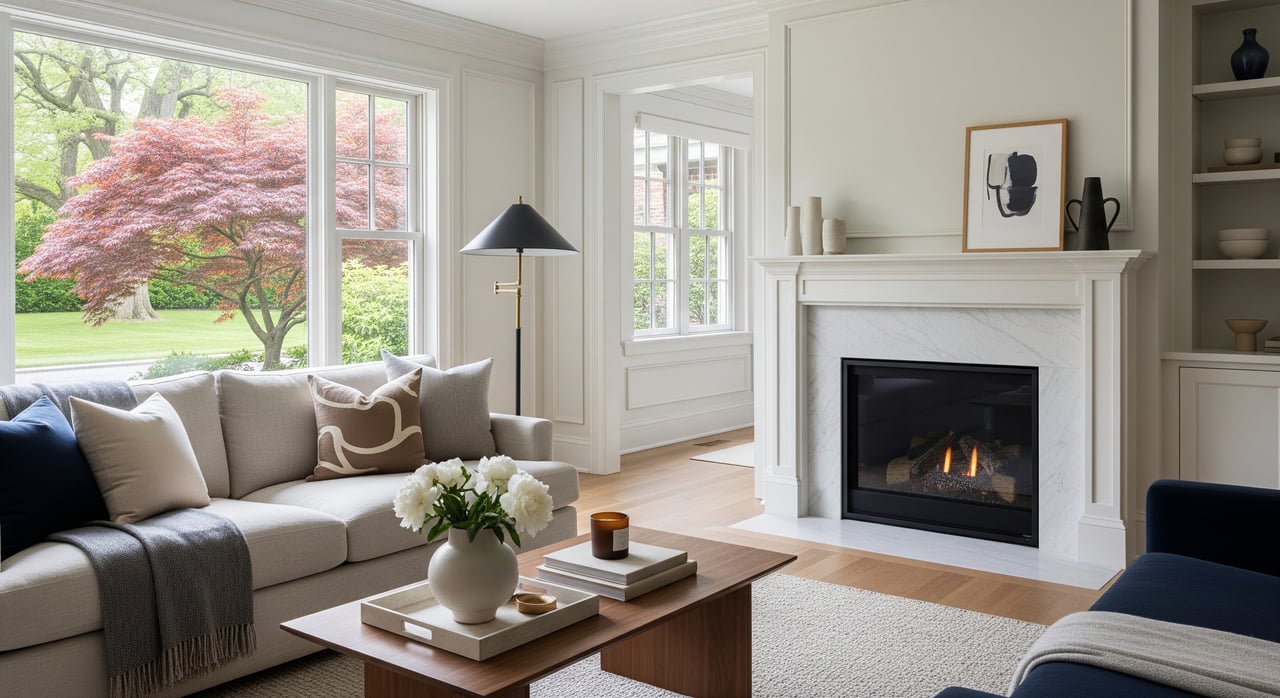
Thinking about listing your New Providence home and want it to stand out from the very first photo? Design-led staging can help you command attention, highlight your home’s strengths, and make buyers feel an immediate connection. You want a calm, polished plan that respects your time and budget while meeting the expectations of today’s move-up and luxury buyers. In this guide, you’ll get a room-by-room checklist, smart upgrades that photograph well, and a simple timeline tailored to Northern New Jersey’s four-season market. Let’s dive in.
What New Providence buyers expect
New Providence attracts move-up and luxury buyers who look for thoughtful design, quality finishes, and flexible spaces. Many are commuters and busy households who value curb appeal and a move-in-ready feel. They respond well to homes that feel clean, functional, and inviting.
- Elevated kitchens and baths, plus practical storage, matter to this audience.
- Flexible rooms are key. A bedroom that doubles as a home office or a lower level with zones for media, fitness, or play adds appeal.
- Four seasons shape first impressions. Winter care at the entry, spring landscaping, and summer-ready outdoor living all count.
- Classic local styles like Colonial, Cape Cod, split-level, and ranch are common in suburban Northern New Jersey. Finished basements and private yards are typical selling points.
Design-led staging principles that work
Good staging is not about adding more decor. It is about editing with intention so buyers can imagine their life in your home.
Declutter and depersonalize
Start with a clean slate. Remove personal photos, excess accessories, and visible clutter. Clear sight lines help rooms feel larger and calmer.
Proportion and flow
Right-size furniture to each room. Float pieces slightly off the walls to create natural conversation areas. Keep walkways open and intuitive.
Focal points and light
Decide what each room should celebrate. A fireplace, a large window, built-ins, or a kitchen island can be the star. Layer lighting with ceiling fixtures, table or floor lamps, and accent lighting to warm the space and photograph beautifully.
Palette and texture
Use a neutral, warm-leaning palette. Soft whites, greige, and warm taupes feel current and allow buyers to imagine their own style. Add depth with linen, wool, wood, and a single accent color used sparingly.
Elevated accents for luxury
A few refined touches can lift the entire feel. Designer-style lighting, a statement mirror, tailored drapery panels, or curated art signal quality without a major renovation.
Season-smart adjustments
- Winter: Keep entries free of snow and ice, add a boot tray, and use warm textiles inside.
- Spring: Freshen landscaping, trim hedges, and bring in greenery.
- Summer: Stage outdoor dining and lounge zones.
- Fall: Add warm lighting and simple natural textures.
Room-by-room staging playbook
Follow these targeted steps to create impact where it counts.
Entry and foyer
- Keep the path clear and well lit.
- Add a slim console or bench with minimal decor to show function and scale.
- Use a rug that fits the space and a mirror to expand the feel.
- If you have coat or shoe storage, make it neat and obvious.
Living and family rooms
- Build a layout around the main focal point, such as a fireplace or large window.
- Use neutral upholstery, then add texture with pillows and throws.
- Style built-ins with a balanced mix of books, art, and greenery. Edit collections so shelves look calm and intentional.
- Remove small rugs that chop up the space. Opt for a larger area rug to anchor seating.
Kitchen
- Clear counters to show work space. Keep only a few items such as a bowl of fruit, a simple vase, or two cookbooks.
- Swap dated hardware and add bright undercabinet lighting if needed.
- Keep appliances spotless. If you have premium features like stone counters or soft-close drawers, stage them with subtle styling.
- If you have an island, place two low-profile stools and a pared-back place setting to show scale.
Dining room
- Right-size the table. If needed, remove extra leaves.
- Add a neutral runner and a simple centerpiece. Keep place settings minimal.
- Update an overly dated chandelier with a clean-lined fixture in a warm metal or soft black.
- If buyers in your price band lean casual, show potential dual use, such as a small desk against a wall.
Primary bedroom
- Aim for a serene retreat. Use neutral bedding with layered textures and two matching nightstands with lamps.
- Remove extra furniture so the bed reads as the focal point.
- Organize closets neatly. Color-coordinated hangers and space between items signal generous storage.
Secondary bedrooms
- Keep flexible. Stage as a guest room, office, nursery, or simple child’s room depending on likely buyer profiles.
- Use minimal furnishings so the room feels spacious.
Bathrooms
- Refresh grout and caulk. Replace dated hardware and lighting if needed.
- Keep counters clear and add fluffy white towels and matching accessories.
- For a spa note, add a small tray with simple toiletries or a neutral bench if space allows.
Home office or flex space
- Show clear function with a desk, chair, and two light sources.
- Hide cords and minimize tech clutter.
- Style shelves with a mix of books and discreet storage boxes.
Basement and lower level
- Brighten with lighter paint and layered lighting.
- Define zones such as media, gym, or play with area rugs.
- If part of the basement is unfinished, show storage potential with clean shelving and open floor space.
Garage and storage
- Declutter and sweep. Clear floors to show vehicle capacity.
- Organize visible items on shelves and pegboards.
Outdoor spaces and curb appeal
- Front yard: mow, edge, mulch, and trim. Repaint the front door if needed and clean the walkway.
- Porch: place two chairs, fresh doormat, and a couple of planters. Remove seasonal clutter.
- Backyard: stage dining and lounge zones and add simple, safe lighting.
- In winter, keep entry paths salted and dry.
Photography and visual presentation
For move-up and luxury listings, professional photography is essential. Stage with the camera in mind.
- Pull back curtains for natural light and switch on key fixtures.
- Keep color temperatures consistent so paint reads true.
- Consider twilight exteriors when appropriate for a warm, inviting glow.
- For vacant homes, you can use professional furniture rental or high-quality virtual staging. If you use virtual staging, be transparent and follow local MLS rules.
Budget, timeline, and ROI
Every staging plan should balance cost with likely return. Start with the areas that move value most for buyers: kitchen, primary bath, main living spaces, and curb appeal.
Service levels
- DIY: Declutter, touch-up paint, deep clean, and a few decor updates. Low cost and high impact for many homes.
- Partial or consultation: Hire a professional stager for a plan, then you implement it. Typically ranges from a few hundred to the low thousands.
- Full-service staging: Furniture rental, accessories, and full styling for empty or upscale homes. Often mid-thousands or more depending on size and rental period.
- Luxury staging: High-end furniture and curated art for prestige listings. Costs rise with customization but can speak directly to top-tier buyers.
Prices vary by property and provider. All cost references above are estimates. Get at least two local quotes before deciding.
Timeline
- Prep period: Plan for 1 to 3 weeks for decluttering, repairs, and painting. Lighter projects can be faster.
- Install: Full-service staging often takes 1 to 3 days once rentals arrive.
- Photos: Schedule professional photography the same day or the next day after staging.
Return on effort
Industry sources consistently indicate that well-staged homes tend to draw more showings and sell faster. Results vary by price band and season, so compare your plan to recent New Providence comps to gauge likely impact.
1-week countdown: show-ready checklist
Use this quick plan to stay calm and on track.
- 7 to 5 days out: Finish touch-up paint, hardware swaps, light fixture updates, and any small repairs. Confirm photography date.
- 4 to 3 days out: Deep clean, steam carpets if needed, clean windows, and swap in fresh towels and linens.
- 2 days out: Style shelves, edit surfaces, and finalize each room’s focal point. Stage outdoor furniture.
- 1 day out: Walk the home as a buyer would. Tidy closets and storage, clear counters, and set up simple flowers or a fruit bowl.
- Day of showings: Open blinds, set a comfortable thermostat, turn on key lights, hide pet items, and secure valuables.
Final thoughts
Design-led staging is about creating clarity and emotion at the same time. In New Providence, that means a refined neutral base, one strong focal point per room, flexible spaces buyers crave, and seasonal curb appeal. A focused plan, a modest set of upgrades, and professional photography can elevate how your home is perceived from the first click to the final walk-through.
Ready to tailor a staging strategy for your address and price band? Connect with Shannon Xavier to align design, data, and timing for your best outcome.
FAQs
How much should I spend on staging in New Providence?
- Prioritize high-impact areas first, then get at least two local quotes. DIY and partial services often cost from a few hundred to the low thousands, while full-service or luxury staging is higher. All figures are estimates, so confirm locally.
Does staging reduce time on market in Union County?
- Industry research indicates staged homes tend to attract more showings and sell faster, though results vary by season and price band. Compare to recent New Providence comps for context.
Should I repaint in bold colors before listing?
- No. Choose updated neutrals like soft white, greige, or warm taupe. Use a single accent color in accessories for interest without polarizing buyers.
How do I stage if I have kids or pets at home?
- Edit toys to a few neat bins, store pet items out of sight for showings, and highlight one or two family-friendly zones. Emphasize durable surfaces and organized storage.
Is virtual staging acceptable for New Jersey listings?
- Yes for vacant homes, as long as you are transparent on the listing and follow local MLS rules. Use high-quality, realistic images and make sure photos reflect true finishes.
