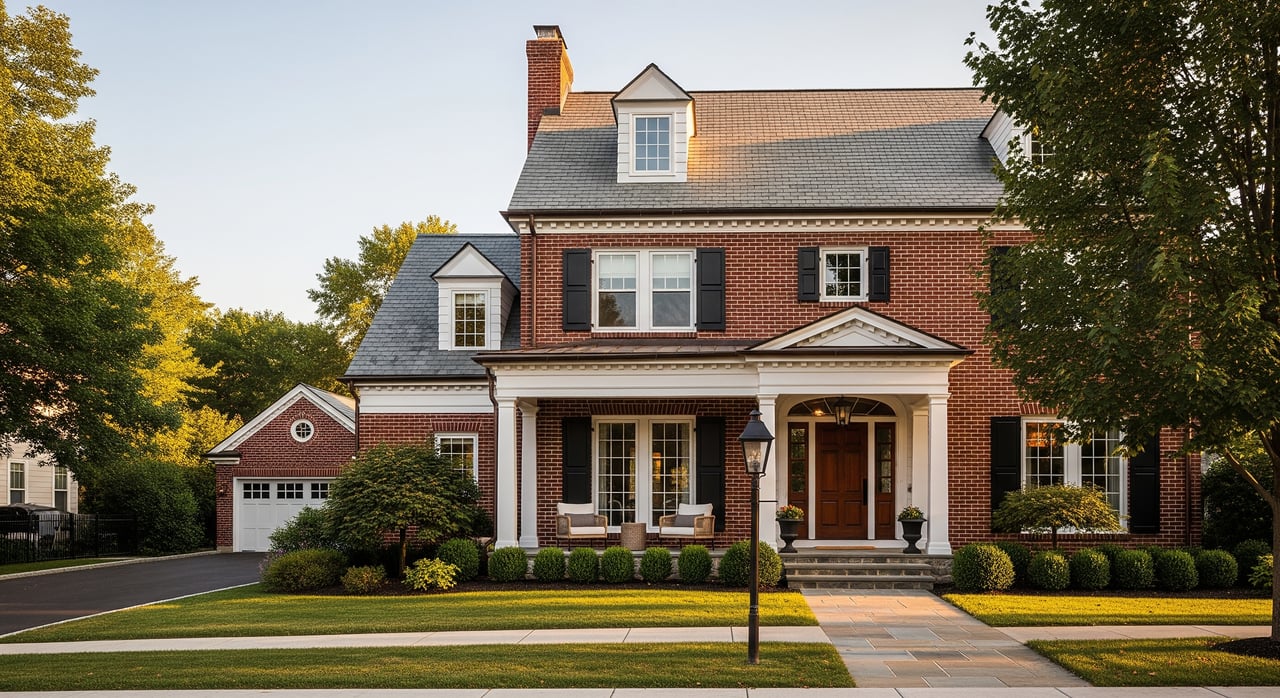
Wondering what your Cranford home would really sell for today? Pricing is the make-or-break decision that shapes your timeline, your negotiation power, and your final net. If you want confidence, you need a clear process, not guesswork. In this guide, you will learn a step-by-step pricing plan, the Cranford-specific factors that move value, and how to adjust quickly once you hit the market. Let’s dive in.
Set your pricing goal
Your goal guides your strategy. Be specific about what matters most to you.
- Maximize price: You may start near the top of the range and invest in presentation to earn it.
- Sell fast: You will likely price near or slightly below market to drive showings.
- Attract multiple offers: You will target a price that creates competition while protecting appraisal outcomes.
- Optimize net proceeds: You will weigh likely concessions, inspection repairs, taxes, and timing.
Write down your top two priorities. This keeps you objective when decisions get tough.
Read the Cranford market
Your price should reflect current supply, demand, and buyer behavior in Cranford and nearby Union County neighborhoods. Focus on recent, local data and keep the window tight, ideally the last 3 to 6 months.
Key metrics to track:
- Inventory and months of supply: Months of supply equals active listings divided by monthly sales. Lower supply favors sellers.
- New listings and pending-to-active ratio: A high pending-to-active ratio signals strong demand.
- Median sale price and price per square foot: Use these to anchor your range, then refine by true comparables.
- Days on market (median DOM): Shows how quickly well-priced homes are moving.
- Sale-to-list ratio: Final price divided by list price reveals how close sellers get to ask.
- Price reductions and time to first reduction: Early reductions can signal overpricing.
For national context and definitions, review market insights from the National Association of Realtors at the NAR Research and Statistics hub. Explore NAR research and statistics.
Build your comp set
A strong pricing decision starts with the right comparables. Pull 3 to 6 recent sales that mirror your home as closely as possible.
Choose the right comps
Prioritize comps by:
- Location: Same neighborhood or walkable area. In Cranford, proximity to Cranford Station on the NJ Transit Raritan Valley Line is a major factor. See the Raritan Valley Line.
- Size and layout: Similar gross living area, bedroom and bathroom count, and functional layout.
- Condition and age: Match level of updates, mechanical systems, roof and windows, and overall maintenance.
- Lot and amenities: Consider lot size, usable yard, garage, driveway capacity, and storage.
- Recency: Favor the most recent sales within 3 to 6 months. Exclude distressed outliers unless the area has a meaningful share of such sales.
Look at active and pending listings too. They are your direct competition and show where buyers are currently writing offers.
Adjust for differences
No two homes are identical, so note differences and their likely price impact:
- Renovated kitchens or baths, newer HVAC or roof, and high-quality windows often add value.
- Finished basements, primary suites, and outdoor spaces can widen the buyer pool.
- Flood risk near the Rahway River can reduce buyer interest and affect lending. Confirm your flood zone on the FEMA Flood Map Service Center and review state resources at the NJ Department of Environmental Protection.
Document your rationale for each adjustment. A brief written explanation plus comp photos will help you defend your price to buyers, agents, and appraisers.
Choose your list-price strategy
Once you have a well-supported value range, pick a list-price approach that matches your goal and the data.
- Market price: List near the mid-point of your supported range to attract qualified buyers and align with appraisals.
- Aggressive price: List slightly below market to stimulate showings and invites for multiple offers. Best in low-inventory conditions.
- Premium price: List above market only if you have unique, documentable features. Expect a longer timeline and be ready to adjust.
Price bands matter. Many buyers search by brackets, so $699,900 may reach a larger audience than $700,000. Choose a number that aligns with how buyers filter their searches.
Plan for appraisal, inspections, and net
Transaction realities should shape your pricing and expectations from the start.
- Appraisal risk: If offers run above recent comps, an appraiser may not support the contract price. Be ready with a thorough comp packet and documented upgrades.
- Inspections and repairs: A pre-listing inspection can surface issues before you go live. Addressing safety or system defects early can protect your price.
- Net proceeds: Decide your target net by estimating likely concessions, repairs, taxes, and closing costs. Use multiple scenarios at list price and expected sale price.
If your property is older or complex, or if you plan to price at the higher end, consider a pre-listing appraisal for added confidence.
Cranford factors that move value
Cranford has characteristics that many buyers consider during pricing and negotiations. Use these to position your home and set realistic expectations.
- Commute and transit: Easy access to the Raritan Valley Line and bus routes increases convenience for commuters to Newark and New York City, often widening the buyer pool. Check NJ Transit service.
- Downtown and parks: Walkability to downtown shops, restaurants, and seasonal events, plus nearby parks like Nomahegan Park and the Rahway River Parkway, can support stronger demand. Town information is available on the Cranford Township site.
- Schools: Cranford Public Schools are a frequent consideration for buyers. Use neutral, factual school information and allow buyers to perform their own research.
- Flood risk: Low-lying areas along the Rahway River may require flood insurance. Verify status on the FEMA Flood Map Service Center and cross-check with NJ DEP flood resources.
- Property taxes and assessments: New Jersey property taxes affect affordability. Review your assessed value and tax history with the Cranford Tax Assessor and relevant records via Union County property records.
- Housing types and age: Cranford offers a mix of historic homes, colonials, split-levels, ranches, and renovated properties. Character features can attract interest, and older systems may invite repair negotiations.
For demographic context and household trends that shape demand over time, consult the U.S. Census American Community Survey.
Prepare proof and presentation
Price is only part of the story. The way you present and support that price is what helps buyers say yes.
- Create a polished Comparative Market Analysis: Side-by-side comps, date of sale, photos, and a short adjustment summary.
- Build a price justification packet: Recent trends, upgrade list with receipts, system ages, and utility info.
- Invest in presentation: Thoughtful staging, elevated photography, and curb appeal updates can justify the top of your range. Even small improvements like paint and landscaping can pay off.
Launch, monitor, and adjust
Once live, your first two to three weeks tell you if your price is resonating.
- Track showings, online views, and agent feedback.
- Watch for early offers and their terms, not just price.
- If you have limited showings after 14 to 21 days, revisit your price or marketing strategy. A timely adjustment protects momentum.
Quick pricing checklist
Use this simple list to keep your process disciplined and clear.
- Define your top two goals for price, timing, and net.
- Pull 3 to 6 recent sold comps within 3 to 6 months, close in location and features.
- Review actives and pendings to understand current competition.
- Compute median sale price, price per square foot, median DOM, sale-to-list ratio, and months of supply.
- Verify flood zone status with FEMA and NJ DEP resources.
- Review assessed value and tax history with the Cranford Tax Assessor and Union County records.
- Consider a pre-listing inspection or appraisal if your home is older or you plan to price high.
- Prepare a seller net sheet with multiple scenarios.
- Set a timeline and thresholds for adjustments after launch.
Ready to price with confidence?
You do not need to guess. With a clear plan, the right comps, and thoughtful presentation, you can price your Cranford home to meet your goals and move forward with certainty. If you want a data-smart valuation and a design-forward launch plan, connect with Shannon Xavier to get your tailored Comparative Market Analysis and concierge strategy.
FAQs
How do I choose the right comps in Cranford?
- Focus on recent sales within 3 to 6 months that match your location, size, layout, and condition, then consider actives and pendings for current competition.
What is months of supply and why does it matter for Cranford sellers?
- Months of supply equals active listings divided by monthly sales, which indicates whether the market favors buyers or sellers and helps guide pricing.
How does flood zone status near the Rahway River affect pricing?
- Properties in higher risk zones may face insurance and lending requirements that narrow the buyer pool, so verify your status on FEMA maps and factor it into price.
Should I get a pre-listing inspection for a New Jersey home?
- If your home is older or you plan to price at the high end, a pre-listing inspection can surface issues early and protect your asking price during negotiations.
How do property taxes in Union County influence buyer budgets?
- Higher annual taxes reduce purchasing power, so buyers compare homes on both price and tax load, making accurate tax information part of your pricing story.
What if the appraisal comes in below the contract price in New Jersey?
- Be ready with strong comps and documented upgrades, and consider options such as price adjustments, buyer gap coverage, or concessions to keep the deal on track.
