Thinking about buying a rental house in South Orange or Maplewood? With direct trains to New York City, walkable village centers, and classic architecture, these towns attract steady renter interest year round. If you want a stable, design-forward asset in a commuter-friendly market, this guide will help you understand returns, local rules, day-to-day operations, and due diligence. Let’s dive in.
Why South Orange and Maplewood
Transit and village appeal
South Orange and Maplewood sit in Essex County about 15–20 miles from Midtown Manhattan with direct service on NJ Transit’s Morris & Essex line. Many renters choose these towns for an easier NYC commute and access to northern New Jersey job centers. Walkable downtowns, dining, retail, and cultural venues add lifestyle value that supports rental demand.
Housing stock and character
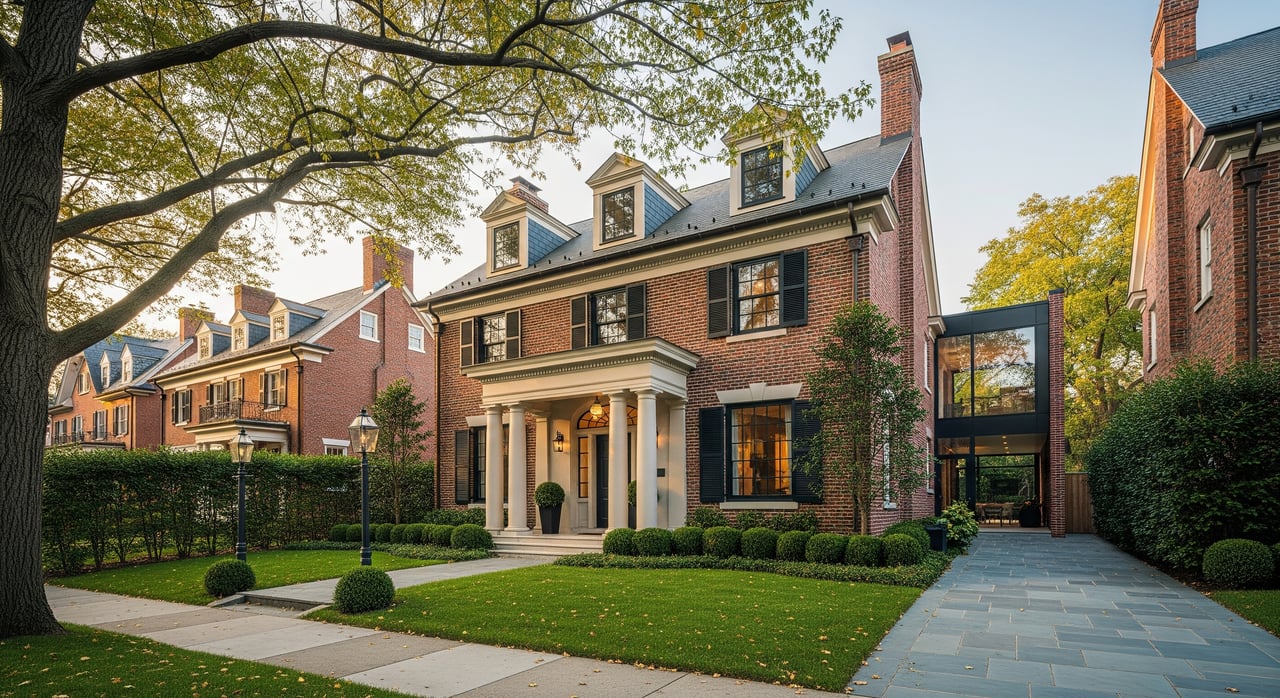
You will find mostly older single-family homes, including Victorian, Tudor, and Colonial styles, plus a mix of duplexes and small multifamily conversions. The architectural variety draws design-minded tenants who value charm and space. Older homes can need updates to electrical, HVAC, and insulation, which should factor into your underwriting.
Supply and resilience
Limited new single-family construction near transit keeps inventory tight. Combined with schools and amenities, this tends to support price resilience compared with more supply-heavy suburbs. Neighborhood-level data such as vacancy and days on market vary by block, so focus your comp research at a micro level.
Underwrite your returns
Core metrics to track
Use a consistent framework to compare properties:
- Gross Rent Multiplier (GRM)
- Net Operating Income (NOI)
- Capitalization rate (cap rate)
- Cash-on-cash return
- Internal Rate of Return (IRR) for longer holds
Expect cap rates to run lower than many distant suburbs due to strong demand and higher prices near NYC. Use conservative assumptions and verify all inputs with current comps.
Budget conservatively
Build a line-by-line budget before you write an offer. Include:
- Market rent based on current comparable leases and listings
- Vacancy allowance and leasing costs
- Property taxes, which are significant in many New Jersey towns
- Insurance and, if applicable, flood coverage
- Utilities you plan to pay
- Routine maintenance, lawn/snow, and turnover costs
- Property management fees if you do not self-manage
- Capital expenditures for big items like roof, HVAC, and exterior work
What boosts market rent
Not all single-family rentals perform the same. Look for features that often command a premium with local renters:
- Proximity to South Orange or Maplewood train stations and village centers
- Updated kitchens and baths with modern finishes
- Off-street parking and in-unit laundry
- Finished basements and usable outdoor space
Financing basics
Investment loans usually require larger down payments and higher rates than owner-occupied mortgages. Options include conventional investor loans, portfolio loans from local banks, DSCR loans, and private lending for heavier rehabs. Confirm current conforming limits and product terms with a lender before making assumptions in your model.
Know the local rules
NJ landlord-tenant framework
New Jersey law sets rules for security deposits, habitability, disclosures, and eviction procedures. The process can be more complex than in some other states, so build time and legal costs into your plan. Keep your lease and notices aligned with current statutes and court guidance.
Registration and inspections
Some New Jersey municipalities require rental registration and periodic inspections. South Orange and Maplewood have historically had fewer rent-control constraints than nearby cities, but local ordinances can change. Verify current municipal requirements for registration, inspection schedules, and any occupancy limits before you list a home for rent.
Lead paint and safety
For homes built before 1978, federal rules require lead-based paint disclosure and hazard information, especially when renting to families with young children. You also need working smoke and carbon monoxide detectors and a safe heating system to meet local codes. Budget for safety upgrades that may be needed to pass inspection.
Zoning and historic areas
Zoning determines what you can do with a property. Converting a single-family to multiple units or adding an accessory dwelling may require approvals or may not be permitted. Parts of these towns include historic areas, so exterior changes can trigger preservation review.
Insurance considerations
Price landlord policies that include dwelling coverage, liability, and loss-of-rents, and consider an umbrella for added protection. Older homes can have higher premiums due to wiring, heating systems, roof age, or prior water issues. Check FEMA flood maps to see if flood insurance is indicated for a specific address.
Operate for success
Management approach
Decide whether you will self-manage or hire a local property manager. Professional management commonly runs 8–12 percent of monthly rent, plus leasing fees. Even if you self-manage, value your time and plan for vendor relationships and after-hours calls.
Maintenance in older homes
Older New Jersey homes can deliver great character and strong tenant demand, but they may need more care. Watch for outdated electrical, older roofs, prior oil-to-gas conversions, porch and foundation issues, and basement moisture. Energy upgrades like insulation and efficient HVAC can cut operating costs and appeal to tenants, but price them carefully in your capex plan.
Screening and compliance
Use consistent, documented screening criteria that include credit, income verification, and rental history. Follow all federal and state fair housing rules and apply your standards uniformly. Good screening and clear policies reduce turnover costs and protect your investment.
Plan your exit
Single-family homes can be relatively liquid in strong suburban markets. Account for closing costs and potential capital gains when planning your hold period. If you anticipate trading into another property, learn how 1031 exchanges work so you can decide early if they fit your strategy.
Due diligence checklist
Use this checklist when you evaluate a specific house:
- Market rent analysis using current local comps
- Sales comps for nearby single-family homes
- Full physical inspection, including roof, structure, electrical, plumbing, HVAC, moisture, and potential lead hazards
- Title and survey review for easements and encroachments
- Permit history and open code violations
- Insurance quotes and FEMA flood zone status
- Current assessed value and property tax estimates, plus appeal potential
- Utility setup and past expense history
- If occupied, review the lease, rent roll, payment history, and security deposit status
Sample pro forma template
Use this outline to frame your underwriting. Replace each line with verified numbers for the subject property and your loan terms.
- Potential gross rent: based on current comparable leases
- Less vacancy and credit loss: conservative allowance
- Equals Effective Gross Income (EGI)
- Less operating expenses: taxes, insurance, utilities you pay, maintenance, management, and reserves
- Equals Net Operating Income (NOI)
- Divide NOI by purchase price to estimate cap rate
- Subtract annual debt service from NOI for cash flow before taxes
- Divide cash flow by total cash invested for cash-on-cash return
Ready to explore
If you want a single-family investment that balances design appeal with steady suburban demand, South Orange and Maplewood are worth a hard look. The right street, the right updates, and disciplined underwriting can create a durable asset with strong tenant interest. When you are ready to evaluate opportunities or price a future exit, connect with a local advisor who knows the inventory and the nuances of older homes.
For tailored guidance on neighborhoods, comps, and acquisition strategy, schedule a conversation with Shannon Xavier. You will get data-informed insight and concierge-level service to help you move forward with clarity.
FAQs
Are South Orange and Maplewood good for buy-and-hold rentals?
- Yes, many investors pursue buy-and-hold here because transit access, village amenities, and school access support consistent rental demand, though results depend on purchase price and operating costs.
How do New Jersey property taxes affect rental cash flow?
- Property taxes are a major line item in New Jersey and can materially reduce cash flow, so model current taxes and potential changes before you make an offer.
Do South Orange or Maplewood have rent control on single-family homes?
- These towns have historically had fewer rent-control constraints than some nearby cities, but you should verify the latest municipal ordinances before leasing.
What should I inspect in older South Orange or Maplewood homes?
- Prioritize roof, foundation, electrical system, plumbing, HVAC, moisture or basement issues, and potential lead-based paint, then price any needed updates into your capex plan.
What features help a single-family rental lease quickly here?
- Proximity to train stations and village centers, updated kitchens and baths, off-street parking, in-unit laundry, finished basements, and usable outdoor space often support stronger rent and lower vacancy.
