Torn between Millburn and Short Hills? You are not alone. These Essex County neighbors are often mentioned together, which makes sense because Short Hills is part of Millburn Township. Still, each offers a distinct lifestyle, feel, and housing profile. In this guide, you will learn the practical differences so you can choose the right fit for your move. Let’s dive in.
Millburn vs. Short Hills: the core difference
Short Hills is an unincorporated community within Millburn Township. That means the same township government, municipal services, and school district serve both. Locally, Short Hills carries a distinct neighborhood identity and is often associated with larger lots and luxury homes.
Millburn’s downtown area offers a more walkable village feel with restaurants, cafes, and independent shops near the Millburn NJ Transit station. Short Hills is more residential and leafy, with the regionally known Mall at Short Hills and its own NJ Transit station.
Commute and regional access
Both Millburn and Short Hills sit on NJ Transit’s Morris & Essex Line, with stations in each neighborhood. Many commuters use Midtown Direct service to New York Penn Station. Service patterns and travel time vary by train and time of day, so it helps to test your commute during your typical hours.
By car, Route 24 connects you to I‑78 and other major roads for regional access. Newark Liberty International Airport is generally a manageable drive depending on traffic and your exact starting point. If you plan to park at the train, check current permit rules and availability for each station.
Housing styles and lot sizes
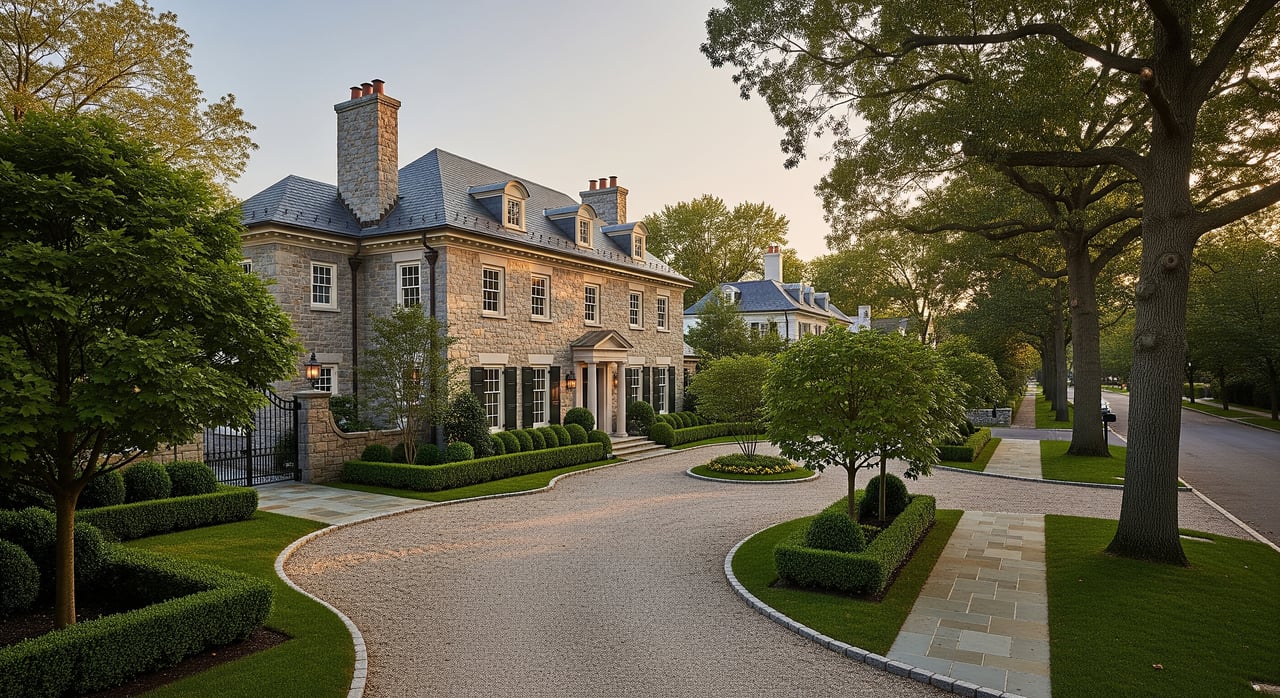
Short Hills is largely single‑family homes, often with 4 or more bedrooms, classic Colonial, Tudor, and Georgian architecture, and generous lots that favor privacy. You will find historic properties and luxury renovations, plus some newer construction.
Millburn offers more variety. Near downtown, you will see smaller‑lot single‑family homes, townhouses, and some condo options that put you close to shops and the train. That mix appeals to a range of budgets and stages of life, from first‑time buyers to downsizers.
Keep in mind that larger or older homes can come with higher maintenance needs. Factor renovation plans, mechanical systems, and energy efficiency updates into your budget.
Lifestyle, shopping, and green space
If retail therapy is part of your routine, the Mall at Short Hills is a standout amenity with high‑end brands and dining. Millburn’s downtown leans charming and community‑oriented, with restaurants, coffee shops, services, and local events.
Outdoor time is easy in both areas. You have access to township parks and the broader Essex County park network, including the nearby South Mountain Reservation for hiking and nature.
Schools and education
Both Millburn and Short Hills are served by the Millburn Township School District, which is widely recognized in New Jersey for strong academic performance. Elementary and middle school assignments are neighborhood‑based and can vary block to block. If schools are a priority, verify the specific address assignment and review the district’s latest programs and reports. There are also private and parochial options in the broader region if you are exploring alternatives.
Taxes and ongoing costs
New Jersey has some of the highest property taxes in the country, and Millburn Township typically trends above the state average. Taxes are assessed at the township level, so the structure is the same across Millburn and Short Hills. Because many Short Hills homes have higher assessed values, the tax bill in dollars is often higher.
Standard utilities include electric, gas, water, and sewer. Single‑family homes in Short Hills generally do not have HOA fees. Condominiums and some planned communities in Millburn may have monthly HOA costs. For insurance, confirm factors like age of systems and any flood exposure using property‑specific due diligence.
Who tends to prefer each area
Every buyer is different, but these patterns are common:
- Millburn downtown and nearby streets: You may prefer this area if you want a walkable village lifestyle, a short stroll to the train, and a mix of home types at varied price points.
- Short Hills: You may gravitate here if you value larger lots, more privacy, and a residential setting with easy access to the Mall at Short Hills and the Short Hills station.
Both options serve NYC commuters, family households, and design‑conscious buyers. Your ideal fit comes down to your budget, space needs, and daily routine.
Buyer checklist for Millburn vs. Short Hills
Use this quick checklist to focus your search:
- Clarify your commute: Train vs. car, and which station you prefer.
- Decide on walkability: Village convenience or quiet residential streets.
- Set space priorities: Lot size, bedroom count, and room to expand.
- Plan for upkeep: Age of the home, renovation scope, and systems.
- Verify schools: Confirm address‑specific assignments with the district.
- Review taxes and costs: Estimated property taxes, utilities, and HOA if applicable.
- Check risk factors: Order property‑specific flood and insurance reviews.
Seller strategy: positioning your home
If you are selling, lean into what your location naturally offers.
- Short Hills sellers: Emphasize lot size and privacy, proximity to the Short Hills station, and access to the Mall at Short Hills. High‑quality photography and design‑minded staging help larger homes present with clarity and warmth.
- Millburn sellers: Spotlight walkability to restaurants and the Millburn station, plus thoughtful updates that support move‑in readiness. If you are near downtown, highlight the village lifestyle in your narrative.
Use neighborhood naming accurately while recognizing that “Short Hills” carries distinct market expectations within the township. A data‑informed pricing plan, strong visual presentation, and targeted marketing are essential in both areas.
How to choose your best fit
Tour both areas at different times of day to feel the rhythm of each neighborhood. Walk the streets, try a commute run, and imagine your weekly routine. Balance lifestyle with the realities of budget, taxes, maintenance, and timing.
If you want a calm, concierge‑level approach to buying or selling in Millburn or Short Hills, connect with Shannon Xavier. You will get design‑forward presentation, data‑driven guidance, and Christie's‑caliber exposure tailored to your goals.
FAQs
Are Millburn and Short Hills different towns in Essex County?
- Short Hills is an unincorporated community within Millburn Township, sharing the same municipal services, taxes, and school district.
How do schools compare between Millburn and Short Hills?
- Both are served by the Millburn Township School District; confirm address‑specific elementary and middle school assignments with the district.
Is Short Hills generally more expensive than Millburn?
- In general, Short Hills commands a premium for larger single‑family homes and lot size, while Millburn offers a wider range of price points and home types.
Which NJ Transit station is better for commuting to NYC?
- Both Millburn and Short Hills stations are on the Morris & Essex Line with Midtown Direct options; test your route and check parking rules for your schedule.
Will I pay different property tax rates in Short Hills vs. Millburn?
- Taxes are set at the township level; bills differ based on each property’s assessed value rather than a separate Short Hills rate.
Are HOA fees common in Millburn or Short Hills?
- Most single‑family homes do not have HOA fees; condos and certain planned communities in Millburn may include monthly HOA costs.
