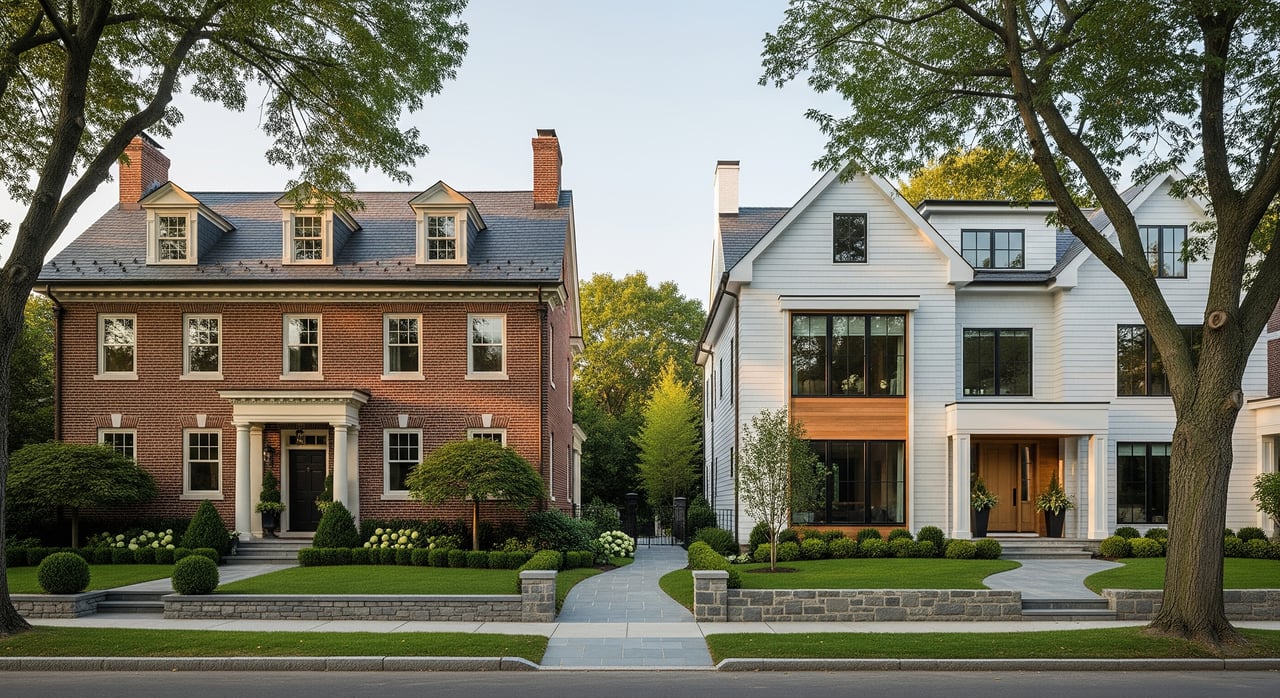
Debating a brand-new build or the character of an older home in Scotch Plains? You are not alone. Many buyers here weigh turnkey convenience against charm, location, and long-term costs. In this guide, you will learn how new construction and older homes compare on price, maintenance, energy performance, financing, and resale so you can choose with confidence. Let’s dive in.
What “new” and “older” mean here
In Scotch Plains, “new construction” typically refers to homes built within the last 0 to 10 years. These may be custom builds, spec homes, or substantial gut-renovations with new mechanicals and structure.
“Older homes” cover much of the town’s housing stock, from early-20th century colonials to mid-century ranches and split-levels. Many are more than 50 years old with period details and established neighborhood character.
Price, taxes, total cost
New construction often commands a higher price per square foot. You are paying for modern layouts, energy-efficient systems, and low-maintenance materials. Builders may offer incentives depending on market conditions, which can help offset costs.
Older homes can list at a lower price or offer more space for the money. Be sure to account for upgrades and deferred maintenance when comparing total cost. Property tax liability depends on assessed value. Review recent tax history through county records, and remember that new construction can see higher assessments as improvements are recorded.
Maintenance and hidden costs
New construction usually means lower short-term maintenance. You will get newer HVAC, electrical, insulation, and windows. A key advantage is the builder warranty. Confirm what it covers, for how long, and whether it is transferable. Plan for punch-list items and make sure you have all closeout documentation at hand.
Older homes may require more immediate and near-term work. Common items include roofs, windows, HVAC replacement, electrical modernization, plumbing updates, and drainage improvements. Specific historical issues to watch include lead-based paint in pre-1978 homes, knob-and-tube wiring, cast-iron or galvanized plumbing, and any previous unpermitted renovations.
Energy and building codes
New construction meets current codes with better insulation, efficient HVAC, LED lighting, and well-sealed envelopes. This can deliver lower utility costs and improved indoor comfort. When available, review energy ratings or certifications such as a HERS score or ENERGY STAR.
Older homes vary widely in energy performance. Many benefit from upgrades like insulation, air sealing, and system replacements. If the home is in a protected area or subject to local design standards, window replacements or exterior changes may require extra steps.
Layouts and lifestyle fit
New builds tend to offer open floor plans, larger kitchens, en suite bedrooms, walk-in closets, first-floor offices, and attached garages. In suburban New Jersey, lots can be denser, so verify actual lot size and setback rules that affect outdoor space.
Older homes deliver character, architectural detail, and mature landscaping that many buyers love. Floor plans can be more compartmentalized. If you plan to open walls or add space, review zoning and permit requirements before you buy.
Resale and marketability
New construction appeals to buyers who want turnkey living and modern finishes. Resale value depends on the quality of the builder, the level of nearby new inventory, and how well the home fits the neighborhood.
Older homes resell strongest when location, lot quality, and upgrades line up. Well-maintained or thoughtfully renovated older houses can outperform, especially on desirable streets or in established areas with consistent demand.
Financing, insurance, warranties
Financing can differ between new and older properties. New builds sometimes use construction-to-permanent loans or builder financing with different qualification and closing steps. Renovation loans, such as FHA 203(k) or Fannie Mae HomeStyle, can suit buyers planning significant updates to older homes.
Insurance premiums reflect age, condition, and materials. Older systems or prior water or fire claims can increase costs or lead to exclusions. Always check flood zone status and local floodplain rules to understand if flood insurance is required. New homes typically include limited warranties. Read the warranty closely for coverage scope, duration, and the claims process.
Local checks in Scotch Plains
- Zoning and permits: Confirm the zoning district and what is allowed on the lot. For any home with recent renovations, verify permits and ensure the certificate of occupancy and closeouts are in order.
- Historic or neighborhood protections: Some areas may have design standards that guide exterior changes. Check with municipal planning or a historic commission if applicable.
- Flooding and drainage: Review FEMA flood maps for flood zone designation and base flood elevation. Older subdivisions can have grading or stormwater issues. New builds should follow engineered drainage plans.
- Utilities: Confirm municipal sewer connections. While many areas are on sewer, some pockets may rely on septic.
- Transportation and commute: Consider access to NJ Transit options and major routes like Route 22, I-78, and I-287. Commute convenience drives buyer demand.
- Schools and amenities: The Scotch Plains-Fanwood School District is an important local consideration for many buyers. Review official district resources for current information.
Buyer checklists
Questions for builders
- Is there a written warranty? What is covered, for how long, and is it transferable?
- What energy standards does the home meet? Is there a HERS score or ENERGY STAR?
- What are the deadlines and costs for change orders and finish selections?
- Are there spec sheets for appliances, HVAC, and exterior materials?
- Who handles punch-list items and what is the timeline for completion?
- Are there HOA fees, covenants, or restrictions?
Questions for older homes
- Which major systems have been replaced and when? Were permits obtained?
- Are there any open permits or past unpermitted work?
- Has the home had water, sewer, or foundation issues? Any remediation?
- Are there lead or asbestos disclosures, if applicable?
- What are recent utility costs and the property tax history?
Inspection focus: older homes
- Roof condition and expected remaining life
- Foundation, basement dampness, and settlement indicators
- Electrical system type and service capacity
- Plumbing materials and water heater age
- HVAC age, service history, and duct condition
- Insulation levels, windows, and air sealing
- Drainage, gutters, downspouts, and sump pump
- Moisture, mold, pests, and chimney or venting safety
- Any signs of prior flooding or water intrusion
Inspection steps: new builds
- Hire an independent home inspector even for new construction
- Walk the property with the builder to document punch-list items
- Obtain all warranty documents, manuals, and final permits or CO
- Verify grading and stormwater controls are complete
Seller strategy for older homes
If you are selling an older home while new builds are nearby, reduce buyer uncertainty and highlight your strengths. Emphasize permitted, documented upgrades to systems, kitchens, and baths. Provide maintenance records and warranties when available.
Strategic updates that often improve appeal include kitchen modernization, bathroom refreshes, HVAC or roof replacement, and curb appeal upgrades. In suburban New Jersey, adding usable space like a finished basement or a primary suite can be effective. Always check local setback and floor area rules before planning additions.
To compete with new construction, spotlight advantages older homes can own: larger lots, mature trees, established streets, proximity to amenities, and distinctive design details.
How to compare two homes
Use this simple framework to make an apples-to-apples comparison:
- Price and taxes: Compare price per finished square foot and review tax assessments.
- Condition and systems: Note ages of roof, HVAC, electrical, and plumbing.
- Energy costs: Estimate likely utility expenses based on system efficiency and insulation.
- Layout and lot: Weigh how the floor plan and outdoor space fit your lifestyle.
- Required work: Tally near-term projects and realistic renovation costs.
- Risk and protection: Consider inspection findings, warranty coverage, and permit history.
- Resale: Assess nearby supply of similar homes and neighborhood demand.
Ready to decide what fits your lifestyle and budget in Scotch Plains? Let a local, design-savvy advisor help you evaluate costs, permits, and market positioning so you can move forward with clarity. For white-glove guidance from search to close, connect with Shannon Xavier.
FAQs
Is a new build worth the premium in Scotch Plains?
- It can be if you value lower maintenance, modern layouts, and energy performance; compare the price premium against likely renovation and operating costs of an older home.
Do new homes mean higher property taxes in Scotch Plains?
- Not automatically; taxes reflect assessed value, which can be higher for new construction, so review county records and recent assessments for any home you are considering.
What hidden costs should I expect with older homes in Scotch Plains?
- Plan for potential system upgrades, roof or window replacement, drainage fixes, and addressing any legacy issues like older wiring or plumbing and past unpermitted work.
How does nearby new construction affect my sale of an older home?
- You can compete by presenting permitted upgrades, clean maintenance records, and move-in readiness while highlighting lot size, mature landscaping, and character features.
Which financing options fit new builds vs older homes in Scotch Plains?
- New builds may use construction-to-permanent or builder financing, while older homes can pair well with renovation loans like FHA 203(k) or HomeStyle if updates are planned.
Do I still need an inspection for a newly built home in Scotch Plains?
- Yes; an independent inspection helps verify quality, identify punch-list items, and ensure permits and final approvals are complete before closing.
