Thinking about selling your luxury home in Summit? The first impression you create before your listing goes live can add real dollars to your final price and shorten time on market. You want a streamlined process, minimal surprises, and marketing that reaches the right buyers without sacrificing privacy. This guide gives you a clear, step-by-step plan tailored to Summit and Union County so you can prepare with confidence and launch like a pro. Let’s dive in.
Why Summit luxury sells differently
Summit attracts buyers who value quality, character, and convenience. Many commute to Manhattan on NJ Transit’s Midtown Direct line, want proximity to downtown dining and culture, and appreciate well-maintained homes with thoughtful updates. Buyers often look for privacy, professional landscaping, finished lower levels, guest suites, modern kitchens and baths, and integrated smart-home systems.
Micro-markets matter. A quiet cul-de-sac, a property near parks, or a home with historic character may influence pricing and marketing. Two blocks can tell very different stories. Your strategy should reflect your home’s specific setting, features, and the most recent comparable sales in your price tier.
Build your pricing and prep plan
Luxury pricing is granular. Instead of relying on broad town medians, focus on recent closed comps from the past 90 to 120 days that mirror your lot, square footage, condition, and amenities. Discuss likely buyer pools and absorption rates so you understand how your home will compete.
Decide on a pricing approach that fits your goals and the inventory picture. You can price to attract broad traffic quickly or list at market and hold firm if your property is rare. Work with your agent on thresholds that can shift which buyers see your home, and align your plan with a clear preparation timeline.
Know your NJ disclosures and inspections
Transparency builds trust and reduces renegotiations. Federal law requires a lead-based paint disclosure for homes built before 1978. New Jersey sellers typically disclose known material facts such as structural issues, past water intrusion or flooding, boundary disputes, the status of septic or well systems if present, and any HOA covenants. If you know about environmental concerns like radon tests, asbestos, or mold, be ready to share that information.
Pre-listing inspections can be a smart move, especially for high-value homes. Consider a general home inspection, roof evaluation, HVAC service inspection, chimney and fireplace inspection, pest and termite check, and radon testing. If your property has a septic, sewer line, or well, schedule the appropriate specialist. These steps help you fix issues on your timeline and market with confidence.
Title, survey and closing
In New Jersey, attorneys are commonly involved in residential closings. Your attorney can review the contract, help resolve title matters, and guide you through the process. For properties with unique lot lines, easements, or improvements near boundaries, a current survey can be helpful.
Permits and code compliance
Confirm that prior renovations were permitted and closed out properly. Missing permits or incomplete certificates can delay a closing and raise buyer concerns. Coordinate with the municipal building department, especially if your home is historic or has significant improvements.
Taxes and assessments
Be ready with accurate property tax information, any recent reassessments, and notices of special assessments. Buyers will ask, and clear documentation avoids uncertainty.
Legal guidance
Rules can change. Consult your New Jersey real estate attorney and your listing agent to confirm the latest disclosure and permitting requirements for your home and neighborhood.
Sequence your pre-listing work
A well-ordered plan keeps you on schedule and focused on results.
- Week 0: Pricing discussion, market valuation, and staging plan. Book inspections.
- Week 1 to 2: Complete priority repairs and address safety or system issues. Start landscaping and exterior refresh.
- Week 2 to 4: Deep clean, declutter, and install professional staging if needed. Line up service contracts for HVAC and alarm systems.
- Week 4 to 6: Capture professional photography, video, and floor plans. Finalize your launch marketing and broker outreach. Go live.
Repairs and targeted updates that matter
Start with essentials. Address roof leaks, electrical hazards, HVAC or heating issues, plumbing problems, and any signs of pests. These items can derail deals if discovered later.
Then tackle high-impact cosmetic refreshes. Fresh neutral paint, refinished hardwoods, updated lighting, and modernized hardware can elevate your presentation. In kitchens and baths, consider focused refreshes instead of full renovations unless your comps clearly support a larger investment. Avoid over-improving beyond neighborhood norms.
Stage for scale and lifestyle
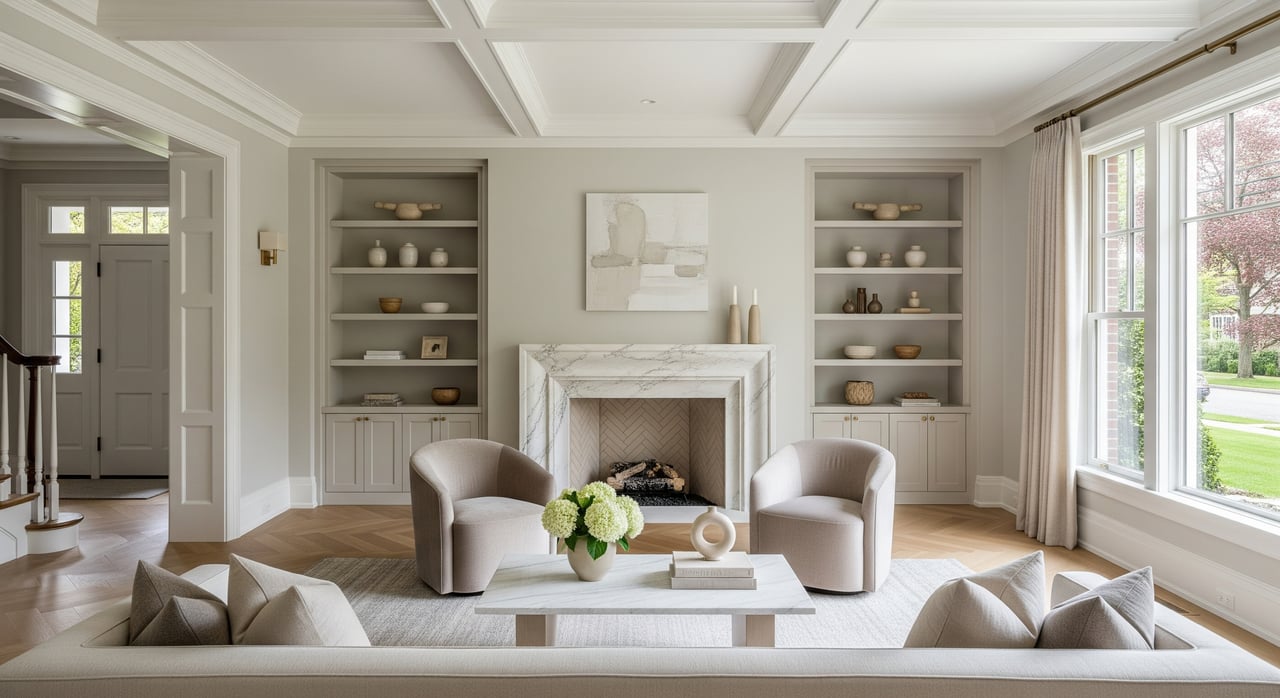
Luxury staging goes beyond clearing surfaces. Right-size furniture to your rooms, add polished artwork and accessories, and create clear vignettes that highlight how the home lives. Think formal dining, a serene study, an inviting family area, or an entertaining-ready lower level.
Enhance specialty spaces such as wine rooms, spa-like baths, or media rooms. If you will remain in the home, consider occupied staging that blends your pieces with professional rentals. For vacant homes, full staging may be the strongest play. High-end buyers expect a showroom-quality experience both online and in person.
Curb appeal and outdoor living
First impressions are powerful. Refresh landscaping, prune trees and hedges, edge beds, and add seasonal color where appropriate. Power wash walkways and driveways. Touch up exterior paint and trim if needed.
Define outdoor living zones. Style patios, decks, and pool areas as welcoming extensions of the interior. Consider subtle landscape lighting to accent architecture and guide evening showings.
Visual storytelling that converts
Invest in premium visuals and complete assets. Use professional photography with high dynamic range to balance light, and include twilight images for mood and exterior drama. For larger properties, consider drone imagery, following FAA and local guidelines. Add video walk-throughs and 2D or 3D floor plans to help buyers understand flow.
Support your visuals with a concise property narrative. Note room dimensions, standout materials and finishes, system ages, recent upgrades, and any special easements or restrictions. The goal is clarity and confidence for qualified buyers.
Plan for private, secure showings
Create a protocol that respects your time and privacy. Use scheduled private appointments, controlled access, and agent-led tours. Remove or secure valuables and highly personal items. If parking is tight, consider valet support for broker events.
Pre-qualification for private tours can be appropriate for very high-value homes. Keep maintenance logs, warranties, and service receipts organized to streamline buyer due diligence.
Budget ranges to expect
Every property is unique, but these industry ranges can help you plan:
- General home inspection: often in the low hundreds to a few hundred dollars depending on size.
- Specialist inspections (roof, HVAC, chimney, sewer scope, pest): typically a few hundred each.
- Minor repairs and cosmetic updates: from a few hundred to several thousand; broader refreshes or landscaping can reach into the tens of thousands based on scope.
- Professional staging: a few thousand for partial staging to 10,000 to 30,000 or more for large estates.
- Photography, drone, 3D tours, and floor plans: roughly 300 to 2,000 or more depending on package and property size.
- Premium print and digital marketing: variable; align a budget with your agent.
Local costs in Summit and greater Union County can differ, so confirm estimates with your vendors before you commit.
Launch strategy for luxury listings
Use a multi-channel plan that reflects how luxury buyers shop. Leverage the MLS, targeted digital advertising, high-end print or editorial features when appropriate, and direct outreach to brokers. Host an exclusive broker open or twilight event to showcase the property at its best.
Balance reach and discretion. Some sellers prefer limited public exposure with by-appointment showings and pre-qualification. If your property may attract national or international interest, incorporate channels that reach those buyers while protecting your privacy.
Bring it all together
A strong pre-listing plan focuses on three things: removing friction, elevating presentation, and matching your home to the right buyers. In Summit’s luxury market, that means buttoned-up disclosures and inspections, thoughtful repairs, design-forward staging, and premium visuals that tell a clear story. With the right guidance, you can control the process, reduce surprises, and launch with confidence.
If you want a design-led, concierge experience from valuation through marketing and negotiation, connect with Shannon Xavier to build your custom plan.
FAQs
Should I renovate before listing a Summit luxury home?
- Not usually; focus on targeted, high-impact updates and necessary repairs rather than major renovations that exceed neighborhood norms.
How important is staging for high-end homes in Summit?
- Very important; luxury buyers expect a polished, lifestyle-driven presentation that shows scale, flow, and how spaces live.
What inspections should I do before listing in New Jersey?
- Consider a general home inspection plus roof, HVAC, chimney, pest, radon, and septic or sewer evaluations as applicable to your property.
What disclosures are required for New Jersey sellers?
- Provide federally required lead-based paint disclosures for pre-1978 homes and disclose known material facts; confirm specifics with your NJ real estate attorney.
How long does pre-listing prep take for a luxury home?
- Plan on 4 to 8 weeks for inspections, prioritized repairs, cleaning, staging, and marketing assets; larger projects may take longer.
How do I price a unique or historic Summit property?
- Use recent high-end comps with similar lot, character, and amenities; partner with an agent who understands local luxury adjustments and, if needed, consider an appraisal.
