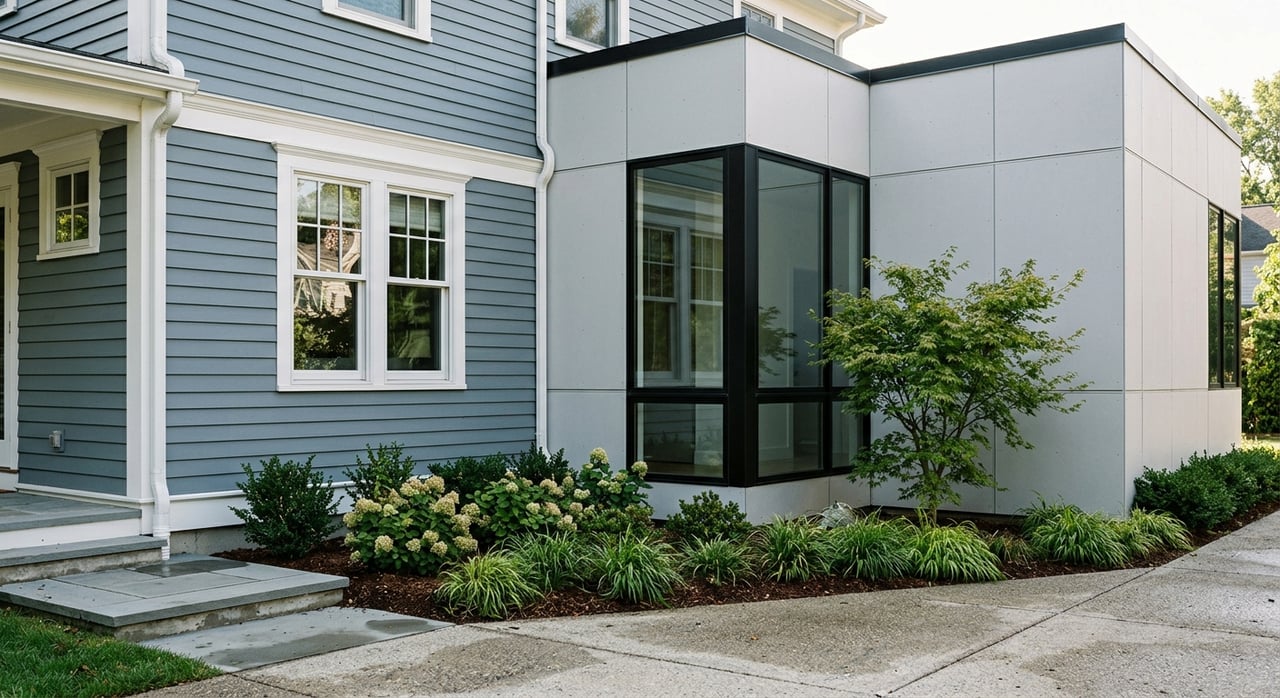
Selling a home that does not look like everything else on the block can feel like both an advantage and a challenge. In Montclair, that distinction often matters in a good way, but only if you price, present, and explain the property with care. If you are preparing to sell an architecturally unique home, it helps to understand how Montclair’s historic character, market data, and buyer expectations all work together. Let’s dive in.
Why architectural character matters in Montclair
Montclair is not a market where architectural individuality feels out of place. The township has a long-standing preservation framework, and its Historic Preservation Commission works to protect the town’s architectural heritage. Montclair also recognizes several locally landmarked historic districts, including Pine Street, Town Center, Upper Montclair, and Watchung Plaza.
That broader context is important when you sell a one-of-a-kind property. According to the township’s commuter area survey, Montclair’s housing stock includes Queen Anne, Craftsman, and Colonial Revival homes, along with individually designed mansions, mid-century vernacular houses, and contemporary architect-designed residences. In other words, buyers in Montclair are already shopping in a place where design history is part of the appeal.
For you as a seller, that means your home’s originality should not be treated like a problem to smooth over. It should be framed as a local asset, supported by facts, thoughtful marketing, and a clear explanation of what makes the property special.
Start with the home’s story
When a house has unusual architecture, buyers need more than a basic list of bedrooms and baths. They need context. A strong listing narrative can help them understand why the home looks the way it does, how it fits into Montclair’s architectural landscape, and what details make it meaningful.
Useful details often include the year built, architect or builder if known, original materials, notable craftsmanship, and any major additions or restorations. That kind of information turns “different” into “distinctive.” It also helps buyers see value beyond square footage alone.
Montclair offers local resources that can help you build that story. The Montclair History Center and local history resources referenced there can support research into maps, photos, deeds, tax records, archives, and ownership history. If your home has documented provenance, that information can strengthen both your listing copy and your overall marketing package.
Price with precision, not guesswork
Pricing an architecturally unique home is rarely as simple as pulling the latest median sale price and calling it a day. In Montclair, even headline market numbers can vary depending on the geographic slice being measured. Redfin’s market data shows different median sale prices and days on market depending on whether you look at the city-level snapshot or ZIP 07042.
That does not mean the market is unclear. It means a unique property needs a carefully chosen comp set. A home with unusual architecture, custom design, or uncommon features should be evaluated against sales that share similar site characteristics, room count, finished area, style, and condition whenever possible.
Fannie Mae’s comparable sales guidance makes this point clearly. Comparable homes do not need to be identical, but they should be meaningfully similar. If direct comparables are limited, appraisers may expand into competing neighborhoods, use older sales with time adjustments, and explain the search logic.
That matters for sellers because buyer enthusiasm still has to meet lender scrutiny. If your home is truly one of a kind, pricing should reflect market evidence and be easy to defend, not just the cost to rebuild the house today. The Appraisal Institute’s guidance on valuation practice reinforces the need for verified data and credible analysis.
What to do when direct comps are scarce
A lack of perfect comparables does not mean your home cannot be priced well. It means the pricing strategy has to be more disciplined and more nuanced. The goal is to build a supportable range, then position your home in a way that attracts the right buyers without creating appraisal problems later.
In practice, that usually means looking at:
- Closed sales with similar architectural appeal or design pedigree
- Homes with comparable scale, condition, and lot characteristics
- Sales from competing nearby areas if the immediate Montclair subset is thin
- Older transactions adjusted for changing market conditions
- Current buyer behavior and overall competitiveness in Montclair
This is where presentation and pricing need to work together. If a buyer immediately understands the home’s materials, design intent, updates, and place within Montclair’s architectural fabric, the asking price feels more grounded.
Stage around the architecture
A unique home should not be marketed like a generic one. Buyers still want a home that feels clean, functional, and easy to imagine living in, but the staging should support the architecture instead of fighting it.
The National Association of Realtors’ 2025 staging snapshot found that 83% of buyers’ agents said staging made it easier for buyers to visualize a future home. NAR defines staging as cleaning, decluttering, repairing, depersonalizing, and updating the property so buyers can picture themselves there.
For an architecturally distinctive Montclair home, that usually means clarity over conformity. Original millwork, unusual windows, period details, or striking contemporary lines should remain visible. The goal is not to erase the home’s personality. The goal is to remove distractions so the architecture can read more clearly.
Montclair’s historic design guidelines are also a helpful reminder that original character has value. Even if your home is not in a district, the broader principle still applies: preserve what gives the house its identity.
Build a media package that explains the home
Architecturally unique homes benefit from a more complete visual story. Standard listing photos are rarely enough on their own. Buyers need to understand the flow, the craftsmanship, and the relationship between the home and its setting.
According to NAR’s field guide to drones and real estate, drone imagery can show the home, roof, yard, surrounding area, and views. NAR also notes that high-quality photos, floor plans, and virtual-tour tools help buyers understand layout and move more confidently through the process.
For many Montclair sellers, the strongest package includes:
- Professional photography with wide-angle room views
- Detailed shots of materials and architectural features
- A floor plan to clarify layout
- Exterior images that show siting and setting
- Drone imagery when useful for lot context and roofline
This kind of presentation is especially valuable when your home has a less conventional layout or custom design choices. Better visuals reduce confusion and help buyers appreciate the property on its own terms.
Understand historic-district logistics
If your home is in one of Montclair’s local historic districts, buyers may have questions about what that means. It helps to answer those questions upfront with clear, factual information.
Montclair’s historic districts FAQ explains that local designation does not prevent owners from making changes and does not require them to restore or fix up a property. In general, the review process applies to certain visible exterior work through Certificates of Appropriateness, while interior changes are generally not reviewed.
That distinction can ease buyer concerns. Historic designation is not the same as a ban on updates. The township’s stated goal is compatibility with historic character, not forced restoration.
If you have already completed exterior work, it can help to organize relevant records before listing. Prior approvals, permits, renovation records, surveys, plans, and archival photos can all support buyer confidence and reduce uncertainty during due diligence.
What buyers need to understand
When your home is highly distinctive, buyers often need a little more education before they feel ready to act. That is normal. Good marketing bridges the gap between admiration and confidence.
A strong listing package should help buyers quickly answer a few practical questions:
- Why is this home architecturally important or distinctive?
- What original features remain?
- What has been updated or restored?
- Is the home in a historic district or near one?
- Are there documents that support the home’s history and improvements?
- How does the layout function for daily living today?
When those answers are easy to find, buyers spend less time guessing and more time connecting with the property.
A thoughtful strategy gets better results
Selling an architecturally unique home in Montclair is not about making the property look like every other listing. It is about identifying the features that matter, supporting value with the right data, and presenting the home with enough clarity that buyers can understand what makes it rare.
That takes more than basic marketing. It calls for pricing discipline, design-aware staging, strong visuals, and a narrative that gives the house context within Montclair’s broader architectural story. When that strategy is done well, your home’s individuality becomes one of its strongest selling points.
If you are preparing to sell a distinctive home in Montclair and want a thoughtful, design-driven approach, Shannon Xavier can help you shape the story, pricing, and presentation with care.
FAQs
Does historic designation affect how you can market a home in Montclair?
- No. Historic designation does not prevent marketing the home, and Montclair states that designation mainly affects certain visible exterior changes through design review, not ordinary listing activity.
Does historic designation limit interior remodeling in Montclair?
- Generally, no. Montclair’s FAQ says interior changes are generally not reviewed, while certain visible exterior work may require a Certificate of Appropriateness.
How do you price an architecturally unique home in Montclair with few comps?
- You build a carefully selected comp set using similar homes by style, size, site, and condition, and when needed, broader or older sales may be used with clear adjustments and explanation.
What should staging focus on in an architecturally unique Montclair home?
- Staging should focus on cleaning, decluttering, repair, and helping buyers visualize daily life while keeping the home’s original or distinctive architectural character visible.
What information should a listing include for a one-of-a-kind Montclair home?
- A strong listing should include the year built, architect or builder if known, original materials, notable design details, major restorations or additions, and any available historical documentation that gives the home context.
What documents are helpful when selling a distinctive home in a Montclair historic district?
- Helpful documents can include prior approvals, permits, surveys, renovation records, original plans, and archival photos that clarify the home’s history and past work.
