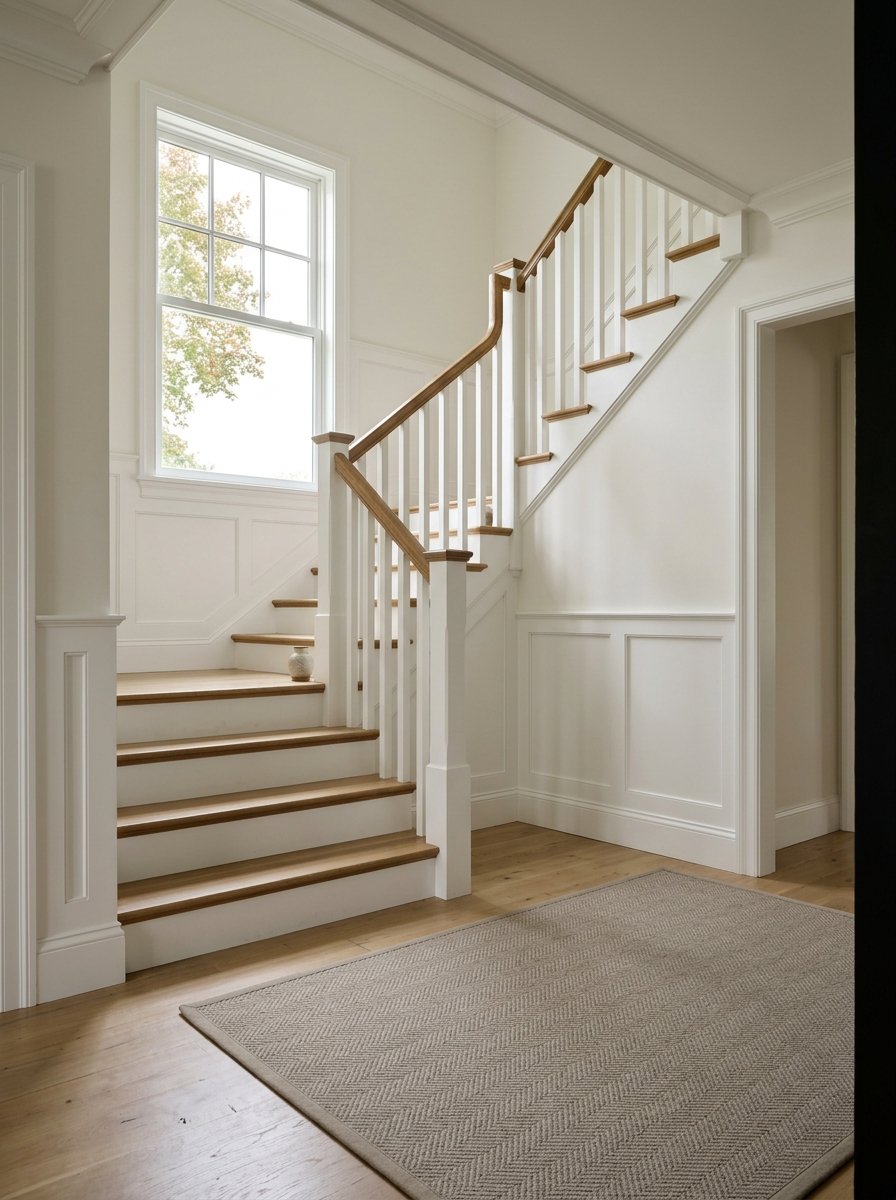
Trying to choose between South Orange and Maplewood? You are not alone. These two Essex County neighbors share a commuter corridor and a lot of regional appeal, but they do not live the same way day to day. If you are comparing streets, housing stock, downtown rhythm, and commute setup, this guide will help you sort out which town may fit your lifestyle and priorities more naturally. Let’s dive in.
Start With the Big Difference
South Orange and Maplewood often get grouped together, and for good reason. Both sit along the same general commuter corridor and both offer older housing, established neighborhoods, and access to NJ Transit.
But the official town and preservation materials point to a meaningful difference in feel. South Orange reads as more station-centered and more preservation-forward, while Maplewood reads as more layered, with multiple commercial nodes and a wider range of architectural expression.
That distinction matters because your best fit is not about which town is "better." It is about which daily experience feels more aligned with how you want to live.
South Orange at a Glance
South Orange tends to appeal to buyers who want a more compact village feel. The town’s official materials describe a residential community with authentic Tudor, Colonial, and Victorian homes, gaslights, parks, and a bustling village center.
Its downtown is closely tied to the train station. South Orange Downtown says the historic station places riders in the middle of the district, with shops, restaurants, parking, and arts uses clustered nearby.
For many buyers, that creates a strong sense of centrality. You may find South Orange especially appealing if you want your errands, commute, and downtown activity to feel tightly connected.
What defines South Orange
- A village center built closely around the station
- Housing that often leans Tudor, Colonial, and Victorian
- A visible preservation presence in parts of town
- A commute setup that blends rail, bus, parking, and jitney service
Maplewood at a Glance
Maplewood tends to feel more distributed. Official materials point to both Maplewood Village and the Springfield Avenue corridor, which gives the town a more multi-node commercial identity.
Architecturally, Maplewood’s preservation documents describe a broad mix of forms, especially from the 1920s and 1930s. The township’s Historic Preservation Plan names classic, Spanish, Tudor, bungalow, and colonial styles, while its architectural guide adds Queen Anne, Colonial Revival, Tudor Revival, Foursquare, Craftsman, and eclectic combinations.
That mix helps explain why Maplewood can feel varied from block to block while still looking cohesive. If you like visual variety and a more layered main street experience, Maplewood may feel like a natural fit.
What defines Maplewood
- A commercial identity that extends beyond one central station plaza
- A wide range of early-20th-century architectural styles
- Strong neighborhood coherence with noticeable design variety
- A commuter system that is more permit-aware and station-access focused
Compare the Housing Style
If architecture matters to you, this may be the clearest place to start.
South Orange’s official history emphasizes Tudor, Colonial, and Victorian homes. The township also highlights a dense preservation landscape, with historic districts and preservation oversight in several areas.
Maplewood’s official preservation documents describe a broader stylistic mix. Many of the town’s buildings date from the 1920s and 1930s, and buyers will see revival styles alongside bungalows, Foursquares, Craftsman homes, and eclectic combinations.
South Orange housing feel
South Orange may be the stronger fit if you are drawn to:
- Tudor, Colonial, and Victorian homes
- A classic village atmosphere
- Streets where preservation is a visible part of the town identity
- Areas where exterior changes may require closer attention to historic review
The South Orange Historic Preservation Commission reviews Certificates of Appropriateness and development affecting landmarks and historic districts. In practical terms, that can mean renovations in or near designated areas may be more preservation-sensitive, especially for street-facing changes, additions, or demolition-related work.
Maplewood housing feel
Maplewood may be the stronger fit if you are drawn to:
- More stylistic variety across older homes
- Houses from the 1920s and 1930s
- Architecturally mixed but visually coherent streets
- Older homes where interior updates may be paired with careful attention to exterior character
Maplewood’s preservation plan emphasizes protecting neighborhood character and historically appropriate construction and renovation. Recent township news also notes that the Historic Preservation Commission recognized more than 500 century-old homes, which shows how strongly old-house stewardship figures into the town’s identity.
Compare the Downtown Experience
Your daily routine may matter as much as the house itself. Where you get coffee, how you move through town, and whether you prefer one central hub or multiple commercial nodes all shape how a town feels over time.
South Orange downtown rhythm
South Orange Downtown describes the village center as sitting at the intersection of two major county roads, midway between I-78 and I-280. The station is in the middle of the district, which reinforces a station-first experience.
That setup tends to create a compact routine. Train access, restaurants, shops, parking, and arts uses are closely clustered, and the South Orange Parking Authority also operates commuter shuttle jitney buses and senior bus services.
If you want a downtown that feels concentrated and easy to navigate around the station, South Orange may stand out.
Maplewood downtown rhythm
Maplewood Village Alliance describes its role as supporting businesses, preserving character, and managing beautification, events, and façade renovation projects. The township also notes two Special Improvement Districts: Maplewood Village Alliance and Springfield Avenue Partnership.
That suggests a downtown identity that is less singular and more layered. Instead of feeling centered on one station plaza alone, Maplewood may feel more like a network of main street experiences connected by civic and design stewardship.
If you like having more than one commercial corridor in the mix, Maplewood may feel more flexible in your day-to-day routine.
Compare the Commute Setup
For many buyers in this part of Essex County, commuting is central to the decision.
Both towns sit on the Morris & Essex Line and Gladstone Branch corridor. But the way each town supports station access looks a bit different in practice.
South Orange commute pattern
South Orange’s commuting page directs residents to train schedules, jitney schedules, parking information, and commuter alerts. The South Orange Parking Authority says it operates municipal lots, metered spaces, overnight on-street parking, commuter shuttle jitney buses, and senior bus services.
The jitney system began in 2002 and has grown to four routes and seven buses. South Orange Downtown also says the village center is about 30 minutes from Penn Station by NJ Transit and is served by several bus routes, including the 107 to and from New York City.
Taken together, this reads as a dense, integrated village-center commute network. If you want rail, bus, parking, and jitney support to feel closely tied to the downtown core, South Orange may match that preference.
Maplewood commute pattern
Maplewood Station is also on the same NJ Transit rail corridor. The township says most parking near the station is short-term or resident-permit, and that non-residents can use two NJ Transit lots, the Maplewood Jitney, or the 70 bus to Millburn.
The township’s jitney runs on weekdays during morning and evening commuter peaks. That setup can feel more commuter-specific and more structured around station access rules and peak-hour support.
If you are comfortable with a more parking-managed system and are focused on commuter logistics, Maplewood may still work very well. It just tends to read differently from South Orange’s more centralized, all-day village framework.
Which Town Fits Your Priorities?
Sometimes the fastest way to decide is to name what matters most.
Choose South Orange if you want
- A more centralized village center
- A downtown anchored tightly around the station
- Housing that often leans Tudor, Colonial, and Victorian
- A stronger preservation overlay in the town identity
- A commute ecosystem that feels concentrated and interconnected
Choose Maplewood if you want
- A more layered, multi-node commercial feel
- Greater architectural variety, especially from the 1920s and 1930s
- Blocks that feel coherent but visually diverse
- A town identity shaped by more than one main corridor
- A commuter setup centered on station access, permits, and peak-hour jitney support
A Smart Way to Tour Both
If you are early in your search, try comparing the towns through lived experience instead of just listings. Walk each downtown, notice how close the station feels to daily errands, and pay attention to how the housing stock changes from street to street.
In South Orange, focus on whether the village center and preservation character feel energizing or limiting for your goals. In Maplewood, notice whether the broader mix of house styles and more layered commercial pattern feels appealing or less intuitive.
For design-minded buyers, this is especially important. The right fit often comes down to whether you want a more unified village composition or a more varied architectural landscape with strong neighborhood character.
Why the Right Fit Is Personal
South Orange and Maplewood both offer a lot, but they offer it in different ways. One leans more station-centered and preservation-forward, while the other leans more architecturally mixed and commercially layered.
That is why the better question is not which town wins. The better question is which place supports the way you want to move through your week, experience your home, and connect to the surrounding community.
If you are weighing both towns and want a more tailored perspective on architecture, commute patterns, and neighborhood feel, Shannon Xavier can help you compare them with clarity and confidence.
FAQs
How does South Orange differ from Maplewood for homebuyers?
- South Orange tends to feel more station-centered and preservation-forward, while Maplewood tends to feel more layered, with a broader mix of architectural styles and more than one commercial corridor.
What housing styles are common in South Orange?
- South Orange’s official history highlights Tudor, Colonial, and Victorian homes, along with a village setting shaped by parks, gaslights, and historic character.
What housing styles are common in Maplewood?
- Maplewood’s preservation materials point to classic, Spanish, Tudor, bungalow, colonial, Queen Anne, Colonial Revival, Tudor Revival, Foursquare, Craftsman, and eclectic combinations, especially in older housing stock.
Is South Orange or Maplewood better for commuting to New York City?
- Both towns are on the same NJ Transit corridor, but South Orange reads as a more integrated village-center commute system, while Maplewood reads as a more parking-managed, station-access-focused setup with peak-hour jitney service.
What should buyers know about historic preservation in South Orange and Maplewood?
- In both towns, preservation plays an important role in shaping neighborhood character, and exterior changes in historically sensitive areas may require closer review, so it is wise to understand local requirements before planning renovations.
How should you decide between South Orange and Maplewood?
- A useful approach is to compare your priorities around downtown layout, commute routine, architectural style, and comfort with preservation considerations, then tour both towns to see which daily experience feels more natural to you.
