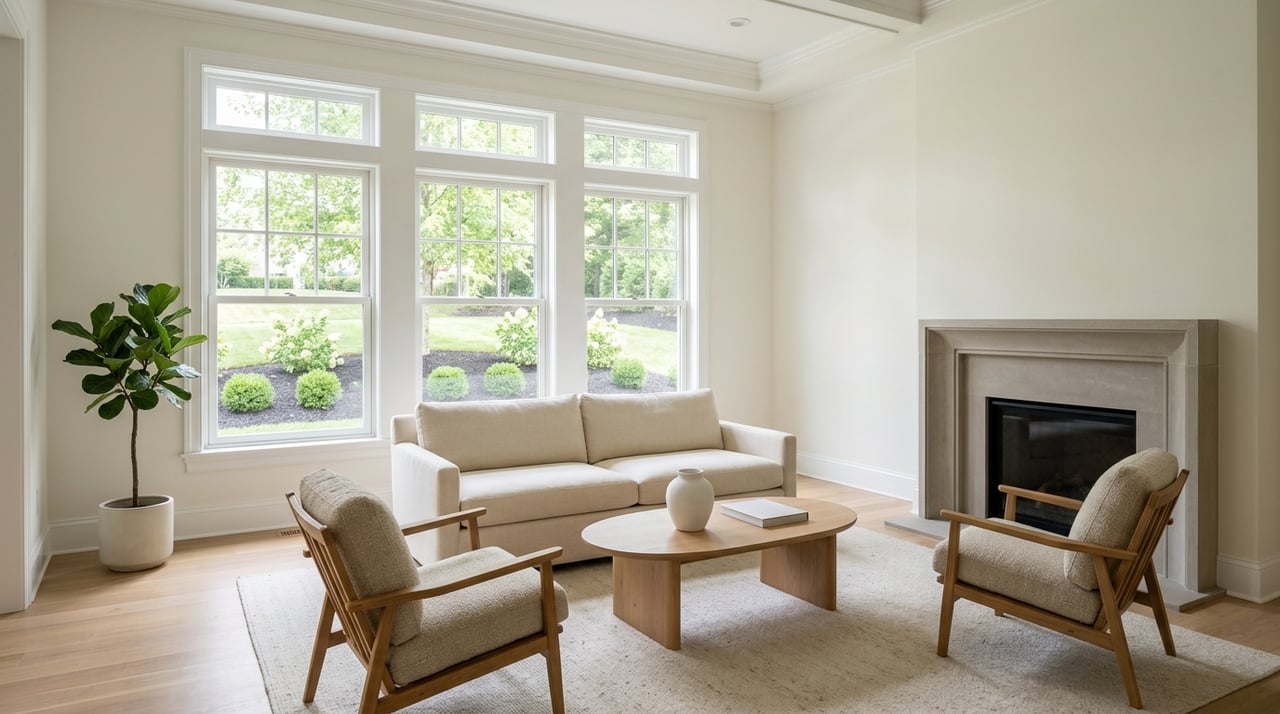
If your Westfield home is about to hit the market, one question matters right away: will buyers feel its value the moment they see it online and in person? In a town known for classic architecture, tree-lined streets, and a strong downtown, presentation is not just a finishing touch. It is part of the strategy. This guide will show you how to stage your Westfield home in a way that feels polished, inviting, and true to its character. Let’s dive in.
Why staging matters in Westfield
Westfield has a distinctive housing mix, from Victorian and Colonial-style homes to Craftsman, Tudor Revival, and Mediterranean examples. That variety gives buyers a lot to appreciate, but it also means your home needs to feel easy to understand at first glance. Good staging helps buyers focus on the layout, scale, and architectural details that make a property memorable.
The local market also supports a thoughtful approach. In Q1 2026, Westfield had 27 active single-family listings, 38 sales, a median price of $1,342,500, and average days on market of 14. Low inventory creates opportunity, but buyers at this price point still compare carefully and expect a home to show well from day one.
Start with online-first staging
Today’s buyers usually meet your home on a screen before they ever step through the front door. Census QuickFacts report broadband subscription at 97.6% in Westfield, which supports what many sellers already sense: buyers are researching online, studying photos, and deciding quickly which homes deserve a visit.
That is why staging should not be treated as a last-minute cleanup. It should be part of your full launch plan, with photography, floor plans, and visual flow in mind. Zillow’s 2024 buyer research found that 86% of buyers are more likely to view a home if the listing includes a floor plan they like, and 62% wish more listings had 3D tours.
Focus on visual clarity
A beautifully staged home is not necessarily filled with more decor. In most cases, it is edited with intention. Buyers want to understand how rooms connect, how furniture fits, and how they would live in the space.
That matters especially in Westfield, where many homes have traditional layouts, detailed millwork, and rooms with specific uses. Clear sightlines and open circulation help buyers read those spaces more easily. When a room feels crowded or overly personalized, the architecture can get lost.
Stage the rooms buyers notice first
Not every room needs the same level of effort. According to the National Association of Realtors 2023 Profile of Home Staging, the most commonly staged spaces are the living room, kitchen, primary bedroom, and dining room. If you want the biggest return on time and budget, start there.
Living room staging
The living room often shapes a buyer’s first impression of the interior. Remove bulky or excess furniture so the room feels balanced and easy to walk through. Keep the layout conversational, but leave enough open space to show the room’s size and natural traffic flow.
In many Westfield homes, this is also where original trim, fireplaces, built-ins, or larger windows can shine. Your goal is to support those features, not compete with them. A few well-scaled pieces usually work better than a room packed with seating.
Kitchen staging
Kitchens need to feel clean, functional, and calm. Clear counters as much as possible, leaving only a few simple items for warmth, like a bowl of fruit or a neutral ceramic piece. Store away small appliances that break up the visual line.
If your kitchen opens to another room, make sure both spaces relate to each other visually. Buyers are often looking for flow as much as finishes. A tidy, bright kitchen reads as easier to maintain and easier to enjoy.
Primary bedroom staging
The primary bedroom should feel restful and spacious. Use simple bedding in light, neutral tones and reduce extra furniture if the room feels tight. Keep nightstands styled lightly and remove highly personal items.
This room does not need to feel cold. It should feel settled, quiet, and easy to imagine as part of a daily routine. Soft layers and clean symmetry often help.
Dining room staging
Dining rooms can sometimes feel formal or underused if they are not staged carefully. A simple table setting, well-scaled chairs, and open space around the table can make the room feel useful without overdoing it. If the room has strong trim, a wide opening, or views into other spaces, keep those lines visible.
In traditional Westfield homes, the dining room often helps reinforce a sense of proportion and flow. Thoughtful staging can make it feel current while still respecting the home’s original design.
Choose colors that support the architecture
Neutral colors remain one of the safest and most effective staging tools. NAR’s consumer guide recommends shades like beige, gray, or soft white, along with small pops of color. These tones help buyers focus on the room itself instead of the paint choice.
In Westfield, that advice is especially useful because many homes have architectural details worth highlighting. Warm neutrals can make trim, mantels, staircases, and built-ins feel more prominent. Bold feature colors may work in some homes, but they can also distract from the details that make older or architecturally styled homes stand out.
Preserve character without making it feel dated
One of the biggest staging mistakes in a town like Westfield is overcorrecting. If you strip away every bit of personality, a historic or traditionally styled home can lose its charm. If you lean too far into themed decor, it can feel dated or too specific.
A better approach is to simplify the setting so the architecture becomes the focal point. Let original windows, moldings, stair railings, built-ins, and fireplaces do the talking. Westfield’s preservation guidance emphasizes historically significant exterior features and streetscape rhythm, and that same respect for character can carry through your interior presentation.
Improve furniture placement and flow
Furniture placement can change how large and functional a room feels. NAR recommends removing bulky furniture so spaces feel larger and easier to navigate. That advice is practical in almost any market, but it is particularly relevant in homes where room dimensions may reflect older design patterns.
Try to create a natural path through each space. Avoid pushing too many pieces against the walls just to fit them in. Buyers should be able to enter a room and understand it in seconds.
A simple furniture edit checklist
- Remove oversized pieces that crowd doorways or windows
- Keep walkways open and obvious
- Use rugs that define the seating area without shrinking the room
- Limit accessories so surfaces look intentional, not busy
- Make sure each room has a clear purpose
Don’t overlook curb appeal
Before buyers notice your foyer, they notice your front walk, landscaping, and entry. NAR recommends basics like a front door mat, manicured landscaping, small potted plants, and decluttering. These simple touches can sharpen the first impression without turning the exterior into a major project.
That first impression matters in Westfield because the town’s identity is closely tied to its broad tree-lined streets and distinctive homes. Buyers arrive with expectations. A clean, well-kept exterior signals that the home has been cared for and invites them to feel confident before the showing even begins.
Stage for photos, not just showings
Professional photography is one of the most important parts of your listing launch. NAR’s staging report found that photos were much more or more important to clients for 89% of sellers’ agents. In other words, buyers often form their first emotional reaction before they ever schedule a tour.
This is why staging needs to be camera-ready. Every room should look consistent, bright, and uncluttered from multiple angles. If a floor plan or 3D media will be part of the listing package, your staging should support that too by making the home’s layout easy to follow.
Keep the visual promise honest
If you use virtual staging, credibility matters. NAR’s consumer guide notes that if virtual staging materially alters a property, the alteration should be disclosed so buyers are not misled. The goal is to help buyers imagine the home, not create confusion when they arrive.
That matters in a market like Westfield, where buyers often move quickly once they find the right fit. Your online presentation should build trust, not create a disconnect between the listing and the in-person experience.
Why staging still matters in a strong market
Some sellers assume staging is less important when inventory is tight. But a strong market does not erase buyer expectations. It often raises them.
Union County’s March 2026 update showed 1.8 months of single-family supply and homes receiving 104.4% of list price year-to-date. Even so, buyers still respond to homes that feel move-in ready, easy to understand, and visually polished. NAR also found that 81% of buyers’ agents said staging made it easier for buyers to visualize a property as a future home, and 20% believed staging increased the dollar value offered by 1% to 5% compared with similar unstaged homes.
The Westfield staging balance
The best staging for a Westfield home usually does two things at once. It makes the home easy to read online, and it protects the character that makes the property distinct. That balance is especially important in a town where architecture, walkability, commuter access, and a strong downtown all help shape buyer interest.
If you are preparing to sell, staging is not about making your home look generic. It is about making its strengths clearer. When buyers can quickly understand the layout, feel the scale of the rooms, and notice the details that set the home apart, your listing is in a stronger position from the start.
If you’re preparing to sell in Westfield and want a design-led strategy that pairs thoughtful staging with data-informed marketing, connect with Shannon Xavier for a concierge consultation.
FAQs
Which rooms should you stage first in a Westfield home?
- Start with the living room, kitchen, primary bedroom, and dining room, since these are the most commonly staged rooms and often have the biggest impact on buyers.
Do neutral paint colors really matter when staging a Westfield house?
- Yes. Neutral tones like beige, gray, and soft white help buyers focus on the space and often showcase trim, millwork, and architectural details more effectively.
Is staging worth it in the current Westfield real estate market?
- Yes. Even in a low-inventory market, staging can help buyers visualize the home more easily, and some buyers’ agents believe it can increase offers by 1% to 5% compared with similar unstaged homes.
Are floor plans and listing photos important for Westfield buyers?
- Yes. Buyer research shows many people are more likely to view a home if the listing includes a floor plan they like, and strong visuals help them understand the layout before touring.
How should you stage a historic or traditional Westfield home?
- Simplify the decor, improve flow, and let original details like windows, fireplaces, trim, staircases, and built-ins remain the focus rather than covering them up.
