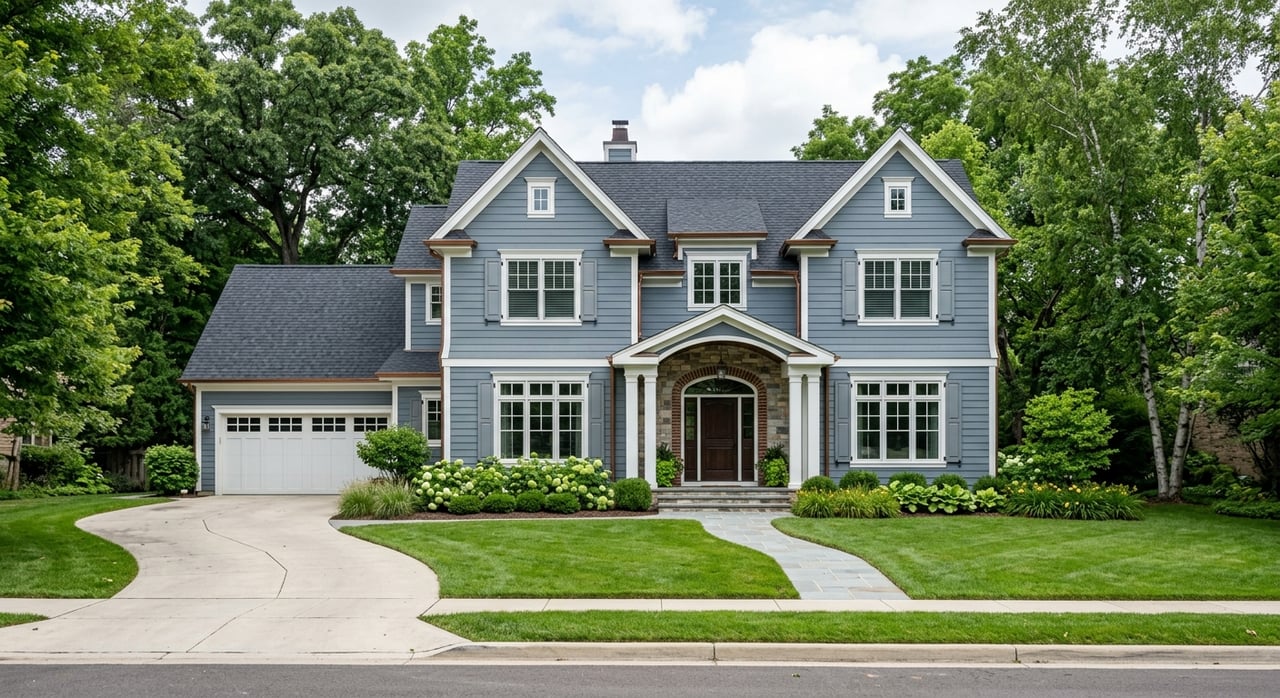
Wondering why two homes in Scotch Plains with a similar bedroom count can feel like they belong in completely different markets? That is often exactly what happens here. If you are buying or selling in Scotch Plains, understanding the township’s smaller neighborhood pockets can help you set better expectations around pricing, competition, lifestyle, and timing. Let’s dive in.
Why Micro-Markets Matter in Scotch Plains
Scotch Plains is not one uniform housing market. It is a roughly 9-square-mile Union County township with a historic downtown along Park Avenue, Route 22 commerce, access to Watchung Reservation, several parks, and golf facilities. Those features shape how different parts of town live and compete.
For many buyers, convenience matters just as much as square footage. Homes closer to the Park Avenue core or near the Fanwood border often attract attention for their access to downtown amenities and NJ TRANSIT service at Fanwood Station on the Raritan Valley Line. In other parts of town, larger lots, lower-density settings, or planned community layouts can shift what buyers value most.
Scotch Plains Market Snapshot
Townwide numbers give you a helpful starting point, but they do not tell the whole story. In May 2026, Scotch Plains posted a median listing price of $899,000, a median sold price of $880,000, a median price per square foot of $349, 77 active listings, and a median 22 days on market. Realtor.com also characterized the market as balanced, with homes selling at about 104% of asking on average that month.
That overall picture suggests a market where well-positioned homes can still move quickly. It also reinforces why pricing and preparation need to be highly specific to the property’s pocket, condition, and setting.
Downtown and Park Avenue Core
The downtown and Park Avenue area is Scotch Plains’ most mixed-use pocket. The township describes Park Avenue as a historic shopping district with local businesses, specialty shops, and a Saturday farmer’s market, which gives this part of town a different rhythm from purely residential sections.
For buyers, this area often appeals if you want everyday convenience and easier access to the town’s central amenities. You may also see more housing variety here, including older homes, renovated properties, and homes influenced by nearby redevelopment activity. That broader mix can create wider price ranges than you might expect from a quick online search.
For sellers, the key is to understand that buyers here may weigh location and convenience very heavily. A home near the core may compete not only on size and finishes, but also on how easily it connects you to shopping, dining, and the township’s central streetscape.
How redevelopment shapes the core
Scotch Plains has an active downtown redevelopment program centered on Park Avenue, Bartle Avenue, and Westfield Avenue. The current overlay zoning increases residential density in downtown tiers to 30, 22.5, and 20 units per acre, with a 20% affordable set-aside.
That does not mean every property will be affected the same way. It does mean buyers and sellers should pay attention to where a home sits relative to these areas, because redevelopment context can influence housing supply, property expectations, and how buyers compare resale homes to newer options.
Planned Subdivision Pockets
Some of Scotch Plains’ most distinct micro-markets are planned residential pockets defined by zoning and development rules. The township code identifies R-2A as Berwyck Chase and Sterling Chase, R-2B as Shirewood, R-2C as Pitching Way, and R-2D as Woodland Estates.
These areas often trade more like product categories than classic street-by-street neighborhoods. Buyers tend to compare floor plans, garage configuration, interior updates, and community structure more directly because the housing stock can feel more standardized than in older parts of town.
What buyers can expect
In R-2A districts, the code allows one-family detached dwellings, including zero-lot-line units with attached garages, private roads, and HOA-controlled amenities. The district uses a minimum lot size of 7,500 square feet, a 65-foot minimum width, a 35-foot maximum height, and 35% maximum lot coverage. R-2B follows the same 7,500-square-foot and 65-foot framework.
That means if you are shopping in these planned pockets, you may find a more predictable built environment. Instead of major lot-to-lot variation, the decision may come down to layout, condition, storage, updates, and whether the community rules fit your preferences.
What sellers should know
If you are selling in one of these communities, buyers will likely compare your home closely against similar nearby options. Small differences in presentation, maintenance, and flow can matter a lot. In a more standardized setting, pricing discipline and polished marketing often carry extra weight.
R-2D, identified as Woodland Estates, allows both one-family detached and two-family dwellings at a denser planned-development scale. That adds another layer of comparison in certain pockets, especially when buyers are evaluating housing type and overall setting.
Larger-Lot and Low-Density Pockets
At the other end of the spectrum, Scotch Plains also includes lower-density residential areas where land size and privacy play a bigger role. The township’s housing element describes a well-established low-density single-family neighborhood with minimum 40,000-square-foot lots, and the traditional R-1 district is built around one-family dwellings.
For buyers, these areas may feel quite different from the downtown core or cluster-style communities. You may see more variation in house age, additions, renovation history, and site flexibility. That can make the search more nuanced, especially if you are trying to balance space, privacy, and long-term potential.
For sellers, larger-lot pockets often require especially careful pricing. Two homes with similar interior square footage may perform very differently if one offers a more private setting or a more flexible site.
Corridor and Redevelopment Areas
Another important layer in Scotch Plains is its redevelopment and overlay activity beyond the Park Avenue core. The township’s B-2 South Avenue Affordable Housing Overlay Zone is planned at up to 20 units per acre with a 20% affordable housing set-aside.
The R-3B Broadway district is also tied to the Broadway Redevelopment Plan and is intended for comprehensively planned detached single-family dwellings with shared recreation and open-space planning. For buyers and sellers nearby, these areas matter because future supply can influence pricing, competition, and how the surrounding market evolves.
You do not need to be an expert in zoning to benefit from this information. You simply need to know that homes near active planning areas may be viewed through a different lens than homes in long-established residential sections.
How Buyers Should Read the Market
If you are buying in Scotch Plains, it helps to define your priorities before you fall in love with a listing. The right fit may depend less on the total bedroom count and more on which micro-market best supports your daily routine and long-term goals.
A simple way to think about the town is this:
- Downtown/core pocket: more convenience, smaller lots, broader housing mix, and stronger redevelopment context
- Planned subdivision pockets: more standardized housing, HOA or private-road considerations in some sections, and less lot variation
- Larger-lot edge pockets: more privacy, lower-density feel, and greater variation in home style, age, and updates
- Redevelopment corridors: changing context, potential future supply, and different buyer expectations nearby
The more clearly you define what matters most to you, the easier it becomes to compare homes that may look similar on paper but live very differently in person.
How Sellers Can Price More Precisely
Scotch Plains is a pricing-precision town. In a market with a 22-day median days on market and active redevelopment in several areas, broad town averages are useful, but they are not enough on their own.
If you are selling, your result may depend on a few key questions:
- How close is your home to the Park Avenue core or the Fanwood border?
- Is your property in a planned subdivision where buyers make direct side-by-side comparisons?
- Does your home sit on a larger lot in a lower-density pocket?
- Is nearby redevelopment likely to shape buyer expectations?
- How does your home’s condition compare with others in the same pocket?
Those details can influence both price and pace. A thoughtful strategy should account for the home itself, the immediate surroundings, and the way buyers are likely to compare it against nearby alternatives.
Why Local Positioning Matters
In a place like Scotch Plains, successful buying and selling is rarely just about square footage or bedroom count. It is about understanding how location within the township changes value, demand, and buyer psychology.
That is especially true for move-up buyers, design-minded buyers, and sellers who want to position a home thoughtfully. When you understand the micro-market first, the next decision becomes much clearer, whether that is refining your search, planning updates, or setting a list price with confidence.
If you are thinking about buying or selling in Scotch Plains and want a more tailored read on your specific block, property type, or competitive set, Shannon Xavier offers a concierge-level approach grounded in local market context, thoughtful presentation, and clear strategy.
FAQs
What makes Scotch Plains a micro-market town?
- Scotch Plains includes a mixed-use downtown core, planned subdivision pockets, lower-density larger-lot areas, and redevelopment corridors, so buyers and sellers often see different pricing and demand patterns depending on the location within town.
How does the Park Avenue area affect home values in Scotch Plains?
- The Park Avenue core adds convenience, retail access, and a historic downtown setting, and nearby redevelopment activity can also shape how buyers compare homes in that part of town.
What are the planned subdivision pockets in Scotch Plains?
- The zoning code identifies planned pockets including Berwyck Chase, Sterling Chase, Shirewood, Pitching Way, and Woodland Estates, each of which tends to compete based on floor plan, condition, and community structure as much as lot size.
How fast are homes selling in Scotch Plains?
- Realtor.com’s May 2026 market summary reported a median 22 days on market for Scotch Plains, which suggests homes can move quickly when pricing and positioning are aligned with the right micro-market.
Why can similar homes have different prices in Scotch Plains?
- Homes with similar interiors can price differently because buyers also weigh proximity to downtown, transit access near the Fanwood border, lot size, privacy, planned-development context, and nearby redevelopment activity.
What should sellers focus on before listing a Scotch Plains home?
- Sellers should focus on pricing within the correct micro-market, understanding how buyers will compare the home to nearby alternatives, and presenting the property in a way that highlights the features most valued in that specific pocket.
