Looking at South Orange homes and wondering what style fits you best? In this village of tree-lined streets and older architecture, style tells you a lot about floor plans, maintenance, and which updates make sense. This guide breaks down the most common South Orange home styles so you can spot key features fast, anticipate layouts, and tour with confidence. Let’s dive in.
Why style matters in South Orange
South Orange developed largely from the late 1800s through the mid-20th century, when commuting to New York shaped how neighborhoods grew. Many homes were built with classic materials and period details that still shine today. Knowing your style helps you predict room flow, typical construction, and likely maintenance needs. It also guides which renovations will respect character while improving function and efficiency.
Quick ID checklist for showings
Use these fast cues when you pull up to a house or step inside:
- Roof shape
- Steep cross gables → Tudor
- Gambrel (barn-like double slope) → Dutch Colonial
- Hipped roof with dormer on a boxy form → Foursquare
- Low, horizontal roofline → Ranch or other mid-century
- Front entry
- Centered with pediment or columns → Colonial Revival
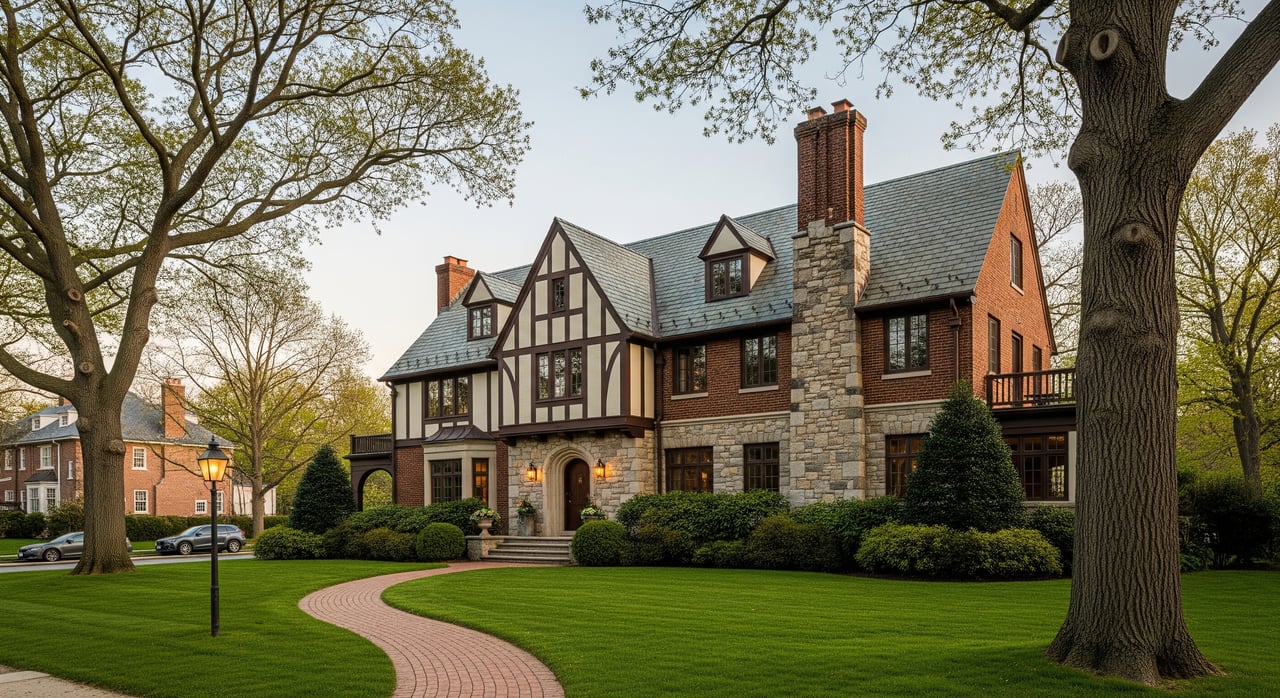
- Arched, recessed entry with masonry accents → Tudor
- Full-width porch with tapered columns → Craftsman
- Windows
- Tall, narrow grouped windows, often leaded or diamond-paned → Tudor
- Multi-pane double-hung (like 6-over-6) → Colonial or Victorian
- Large picture window → Mid-century ranch
- Materials and ornament
- Half-timbering and stucco → Tudor
- Patterned shingles and ornate trim → Victorian
- Clapboard or brick with simple trim → Colonial Revival
- Interior layout cues
- Center hall with symmetrical rooms → Colonial Revival
- Large open single-floor circulation → Ranch
- Built-ins and exposed beams → Craftsman
- Sloped ceilings and attic nooks → Tudor or older bungalows
Tudor Revival: storybook charm
Defining features
Expect an asymmetrical façade, steep gables, and prominent cross gables. You will often see decorative half-timbering over stucco or masonry, tall grouped windows, and a large chimney. Entries may be arched or recessed with stone or patterned brickwork.
Typical layout
Rooms tend to be compartmentalized with a generous living room and fireplace, a formal dining room, and cozy bedrooms above. Upper floors often have sloped ceilings, and the attic may serve as storage or extra bedrooms. The plan feels intimate and layered.
What to check
Look closely at stucco for cracking and at the timber-stucco joints for moisture. Inspect chimney flashing and roof condition, especially if slate or heavy shingles are present. Inside, note any damp stains near chimneys, older heating or small radiators, and limited attic insulation.
Renovation notes
Aim for moisture control and careful stucco repair, then add discreet insulation and high-efficiency systems. Window replacements should respect original proportions and muntin patterns if you plan changes.
Colonial Revival: timeless symmetry
Defining features
You will often see a symmetrical front, a centered entry with a pediment or a small portico, and multi-pane double-hung windows. Exteriors are commonly brick or clapboard with a gable roof. Variants like Georgian Revival lean more formal.
Typical layout
A center-hall plan is common, with formal living and dining rooms at the front and the kitchen toward the rear. Bedrooms sit above, and basements are typical for storage and utilities. Many homes have later kitchen expansions at the back.
What to check
Review brick mortar and lintels in older houses, and look for wood rot and paint needs on clapboard siding. Watch for mismatched window replacements and any sagging around the center hall that could signal settlement.
Renovation notes
Updates often focus on opening the kitchen to living areas while retaining the center hall and formal millwork. When replacing windows or trim, match profiles to keep the classic look.
Dutch Colonial: gambrel grace
Defining features
The signature is the gambrel roof that creates a barn-like silhouette and expands the second floor. You may see flared eaves, dormers, and a balanced front with a central entry. The look blends function with charm.
Typical layout
The plan resembles Colonial Revival, but the gambrel roof gives you more headroom upstairs. Bedrooms often feature dormers and knee walls. The result is a practical use of upper-floor space.
What to check
Inspect dormer flashing and roof transitions for leaks. Note limited headroom at the eaves and check attic insulation and ventilation. These roofs reward good drainage and airflow.
Renovation notes
Energy upgrades and dormer repairs are common. Keep dormer proportions and trim details consistent if you expand.
American Foursquare: broad and balanced
Defining features
Look for a boxy two-story mass, a low-pitched hipped roof with a central dormer, and a full-width porch with solid piers. The exterior is straightforward with transitional details that can lean Craftsman or Colonial.
Typical layout
The name says it all. You often get four large rooms per floor, with easy circulation and generous ceiling heights. These homes feel substantial and flexible for modern living.
What to check
Review porch decking and columns for decay and evaluate original plaster and trim. Porches are focal points that may need structural attention.
Renovation notes
Opening the kitchen-dining connection is popular and usually straightforward. Preserve original staircases, doors, and casings when possible to keep character.
Craftsman and Bungalow: handcrafted warmth
Defining features
Expect low-pitched gable roofs, broad eaves with exposed rafter tails, and tapered columns on porch piers. Wood and stone details create a handcrafted feel. Many are one to one-and-a-half stories.
Typical layout
Plans are more open than earlier Victorian homes, with a living-dining flow and built-ins. The fireplace often anchors the main room. Bedrooms are modest and efficient.
What to check
Look for sagging porch roofs, settled piers, and signs of moisture at exposed rafter tails. Older wiring such as knob-and-tube may still be present, and exterior walls may have minimal insulation.
Renovation notes
Target air sealing, attic insulation, and careful electrical updates. Retain built-ins and original trim, which carry the value and charm.
Victorian: ornate and expressive
Defining features
You may find asymmetrical massing, turrets or towers, wraparound porches, and rich trim such as spindlework and patterned shingles. These homes showcase high craftsmanship and variety.
Typical layout
Rooms can be irregular in shape with formal parlors and dining rooms, tall ceilings, and decorative millwork. The plan encourages distinct zones rather than a single open space.
What to check
Decorative trim can conceal rot, and plaster walls and complex staircases can be costly to restore. Inspect exterior details and note any previous repairs.
Renovation notes
Preservation-minded repairs add long-term value. Focus on envelope health, then refinish millwork and restore windows to maintain authenticity.
Mid-century Ranch and Split-level: easy flow
Defining features
Ranch homes are single-story with low-slung roofs, a horizontal profile, large picture windows, and often an attached garage. Split-levels stagger the floor levels to maximize space on a smaller footprint.
Typical layout
Expect informal living areas and a simple circulation pattern. Kitchens may be more compact compared to newer builds, though many have been expanded. Basements often hold mechanical systems or a family room.
What to check
Low-pitched roofs require excellent drainage and flashing. Look for basement moisture, original single-pane windows, and older HVAC, wiring, or plumbing. These homes often adapt well to more open plans with selective wall removal.
Renovation notes
Prioritize roof drainage, insulation upgrades, and efficient systems. Thoughtful window updates can boost comfort and performance.
Touring older homes: universal red flags
Before you fall in love, scan for common issues that show up across styles:
- Foundations and grading
- Uneven floors, stair separation from walls, cracks in foundation walls, and poor grading that collects water near the house.
- Moisture and basements
- Signs of seepage, efflorescence, mold, or prior remediation. Ask about sump pumps or drain tile history.
- Electrical
- Knob-and-tube wiring, ungrounded 2-prong outlets, undersized service, or DIY work. Plan a full electrical inspection.
- Plumbing
- Galvanized supply lines, cast-iron drains, or later problematic materials. Confirm age and updates.
- Insulation and energy performance
- Thin attic insulation, single-pane windows, and older HVAC or duct issues.
- Hazardous materials
- Lead-based paint in pre-1978 homes and possible asbestos in insulation, floor tile, or textured ceilings. Testing and proper remediation are important.
- Roofs and chimneys
- Check age, flashing, mortar, and any patchwork that could signal deeper issues.
Renovation, preservation, and local process
South Orange and many New Jersey towns may have historic or preservation review for certain districts or designated properties. Before planning exterior changes like siding, windows, or porches, confirm local requirements with municipal planning or historic resources. This saves time and keeps projects compliant.
When you renovate, favor period-appropriate, reversible changes. Consider insulating behind existing walls when possible, repairing rather than replacing original millwork, matching window muntin patterns, and choosing roofing that reflects the original profile if required. Energy and code updates often include upgrading electrical service, replacing aging HVAC with efficient systems, sealing air leaks, and insulating attics. Expect higher costs for structural fixes, foundation work, and detailed historic restoration compared to simple cosmetic updates.
Choose contractors who know older houses and understand materials like lime mortar for historic masonry. Experienced trades help you preserve character while improving comfort and safety.
Choosing your best fit
Think about how you live day to day. If you want formal rooms with classic balance, Colonial Revival might suit you. If you love texture and hearth-centered living, Craftsman or Tudor may feel right. If you prefer single-level ease or simple lines, mid-century plans offer flexibility and a natural path to an open layout. Foursquare homes give you large, adaptable rooms with great flow.
In South Orange, many houses blend styles, and many have seen tasteful updates. Focus on the primary style cues to understand the bones, then decide which upgrades will support your lifestyle without losing the story the house tells.
Ready to explore South Orange with a design-informed strategy and calm, concierge service? Reach out to Shannon Xavier to schedule your consultation and tour with confidence.
FAQs
How can I tell a true Tudor from Tudor Revival in South Orange?
- Most American “Tudors” are early 20th-century revival homes with decorative half-timbering, steep gables, and prominent chimneys rather than medieval construction.
Do period details increase resale value in South Orange?
- Period details can boost appeal, but resale depends on condition, layout function, systems modernization, and location within the commuter context.
Are historic South Orange homes harder to insure or finance?
- Not always, though older wiring, unusual materials, or major deferred maintenance can require updates before a lender or insurer approves coverage.
What are the most cost-effective upgrades for older South Orange homes?
- Air sealing and attic insulation, efficient HVAC replacements, and targeted kitchen or bath improvements usually deliver comfort and value.
How can I modernize a South Orange home without losing character?
- Many owners open front formal rooms to the kitchen, add a small rear kitchen expansion, or finish the basement while preserving trim, built-ins, and exterior details.
